
Top Considerations When Insuring Your Beechcraft Plane
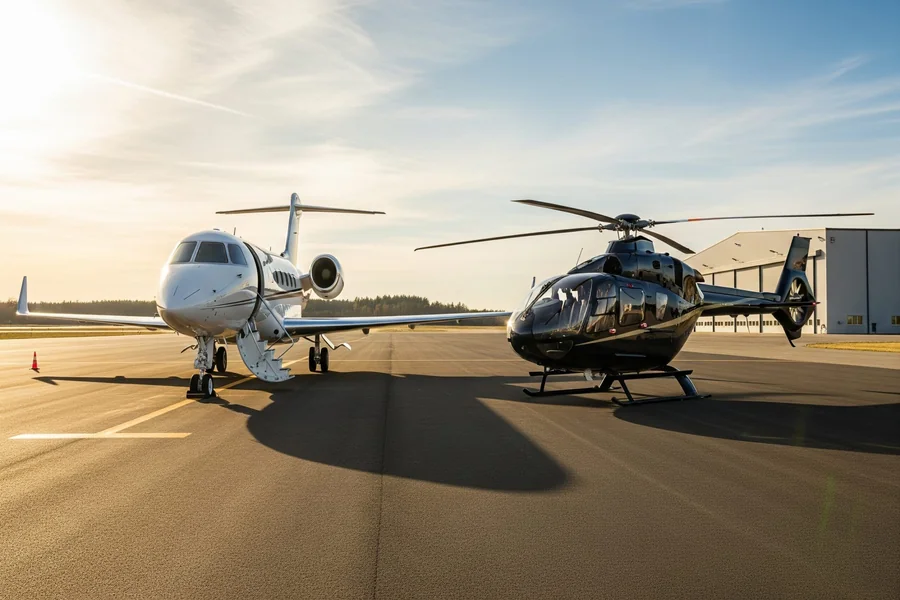
Owning a Beechcraft aircraft is a significant investment, combining performance, reliability, and versatility. Protecting that investment with proper insurance for Beechcraft aircraft is essential, whether you fly for personal enjoyment, business, or commercial operations. Choosing the right policy can be complex due to varying coverage options, aircraft models, pilot requirements, and operational factors. Working with trusted experts like AGL Aviation Insurance Brokers ensures you have the right protection for your specific needs.
This guide covers the top considerations every Beechcraft owner should keep in mind when securing aviation insurance.
1. Determine the Type of Coverage You Need
The first step in insuring a Beechcraft is deciding which types of coverage are necessary:
- Hull Insurance: Covers damage to your aircraft, whether from accidents, weather events, or ground mishaps. Policies may include total loss or partial damage coverage.
- Liability Insurance: Protects you if your aircraft causes injury or damage to third parties or property.
- Passenger Liability: Required if carrying passengers, providing coverage for injuries or accidents onboard.
David Woollams notes that understanding the nuances of each coverage type is critical. His insight highlights that pilots often underestimate the importance of passenger and liability coverage, which can leave them financially exposed.
2. Know Your Aircraft Model and Usage
Beechcraft produces a range of aircraft, including the Bonanza, Baron, and King Air models. Each type has different insurance considerations:
- Single-Engine Aircraft (e.g., Bonanza): Typically less expensive to insure but still requires proper liability and hull coverage.
- Twin-Engine Aircraft (e.g., Baron): Higher premiums due to increased complexity and replacement costs.
- Turboprop Models (e.g., King Air): Often require specialized coverage due to commercial or charter use.
Insurance rates also vary based on how you use your plane. Recreational pilots, flight schools, and charter operators have distinct risk profiles that insurers consider. AGL Aviation Insurance Brokers can help tailor policies based on your aircraft model and operational needs.
3. Pilot Experience and Qualifications
Your experience as a pilot significantly affects your insurance premium. Insurers evaluate:
- Total flight hours
- Hours in type (specific aircraft model)
- Certification level and ratings
- Training in safety and emergency procedures
David Woollams emphasizes that less experienced pilots often face higher premiums. His insight advises that investing in additional training and endorsements can reduce costs and enhance coverage eligibility.
4. Assess Risk Factors
Insurance companies consider several risk factors when pricing policies:
- Geographic location: Flying in areas with adverse weather conditions may increase risk.
- Flight frequency: Regular flights or commercial use elevate exposure.
- Maintenance history: Well-maintained aircraft typically enjoy lower premiums.
- Storage: Hangar-kept planes are safer than those parked outdoors.
Identifying and mitigating risk factors can help you secure better rates and more comprehensive coverage.
5. Commercial vs Private Use
How you use your Beechcraft impacts both coverage requirements and costs:
- Private Use: Covers personal travel and recreational flying. Premiums are generally lower.
- Commercial or Charter Use: Requires specialized coverage, including higher liability limits and passenger insurance.
Working with a knowledgeable broker, such as AGL Aviation Insurance Brokers, ensures that your policy aligns with your intended operations and regulatory requirements.
6. Policy Limits and Deductibles
Understanding policy limits and deductibles is crucial:
- Coverage limits: The maximum amount an insurer will pay in the event of a claim. High-value aircraft may require elevated limits.
- Deductibles: The out-of-pocket cost before insurance coverage applies. Higher deductibles can lower premiums but increase financial risk.
David Woollams advises evaluating your financial situation to balance premium costs with adequate protection. His insight highlights that overly low deductibles can unnecessarily raise insurance costs without significantly improving coverage.
7. Additional Optional Coverage
Many policies offer optional add-ons to address unique risks:
- Loss of Use / Income Protection: Covers revenue lost if your aircraft is grounded for repairs.
- Ground Equipment Coverage: Protects associated equipment, like tugs and ground tools.
- War or Terrorism Coverage: Important for flights in regions with geopolitical risks.
These options allow aircraft owners to customize coverage for their specific operational needs.
8. Review Exclusions Carefully
No policy covers everything. Common exclusions include:
- Intentional damage or reckless flying
- Wear and tear or corrosion
- Unauthorized modifications to the aircraft
- Flights in restricted or prohibited airspaces
Reading the fine print and clarifying exclusions with an expert broker helps prevent unexpected gaps in coverage.
9. Choose a Reputable Broker
Navigating aviation insurance can be complex. Working with a reputable broker ensures you receive the best guidance and policy options. AGL Aviation Insurance Brokers specialize in tailoring coverage for Beechcraft aircraft, helping clients compare policies, understand terms, and select the right mix of coverage.
A skilled broker also assists with claims, ensuring that in the event of an incident, the process is efficient and stress-free.
10. Regularly Review and Update Your Policy
Aircraft value, usage, and regulations change over time. Regular policy reviews ensure your coverage remains appropriate:
- Update coverage for modifications or upgrades to your aircraft
- Adjust limits if your operational profile changes
- Evaluate new policy options or endorsements that may offer better protection
Staying proactive prevents underinsurance and ensures your Beechcraft remains fully protected.
Conclusion
Insuring a Beechcraft aircraft requires careful consideration of coverage types, pilot experience, risk factors, operational use, and policy limits. By addressing these factors and working with trusted experts like AGL Aviation Insurance Brokers, aircraft owners can ensure they have comprehensive protection tailored to their needs.
With guidance from professionals and insights from experienced experts like David Woollams, you can secure insurance that protects both your investment and peace of mind, allowing you to enjoy the skies confidently.