
The rise of 3D printing in auto repair: what it means for the future of spare parts
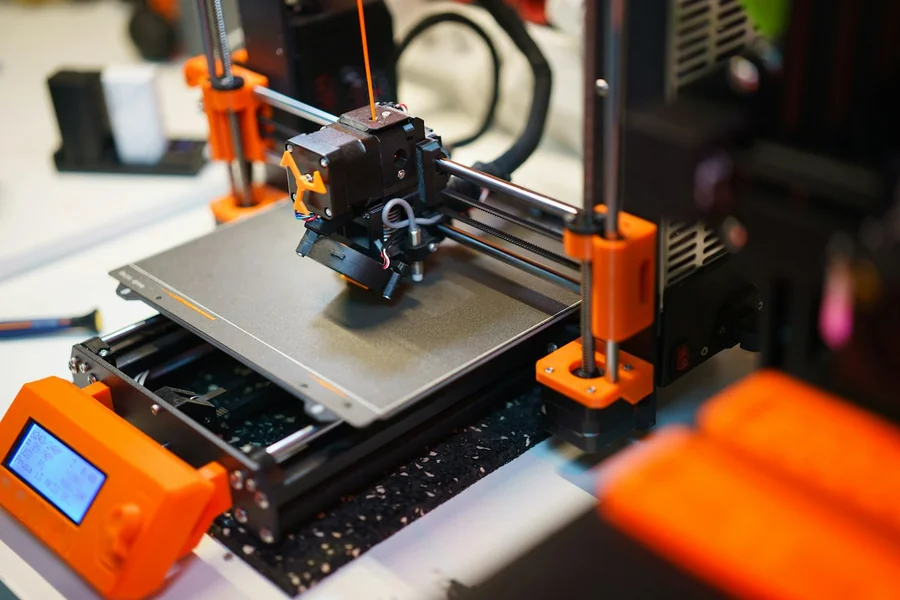
A small plastic fitting breaks on an otherwise usable older car. The original component is difficult to source, the surrounding assembly is expensive and the vehicle’s owner begins searching for a replacement that no longer seems to exist.
This is the kind of problem that makes 3D printing attractive. Producing an object from a digital design suggests a way around minimum production runs and warehouses filled with components that may be needed only occasionally.
The promise is real, but uneven. A non-critical trim piece and a highly stressed transmission component are both spare parts, yet the engineering evidence required to manufacture them safely is very different.
The future of additive manufacturing in repair is therefore likely to involve selective use. It can expand the options available to workshops without turning every missing component into something that should be printed on demand.
A digital file is only the start of a part
Traditional manufacturing often removes material or shapes it using dedicated tooling. Additive manufacturing builds material in successive layers, with different processes using polymers, metals and other feedstocks under very different operating conditions.
That variety matters because the phrase 3D printed describes a production approach, not a single level of quality. A desktop plastic print and a metal component made in a controlled industrial process should not be treated as equivalent engineering propositions.
The design must first capture what the replacement needs to do. External dimensions are important, but so are tolerances, mating surfaces, flexibility, temperature exposure and the forces experienced during normal operation.
A broken original can be a useful reference without being a complete specification. Wear, distortion or an earlier repair may have changed its shape, and copying those dimensions can reproduce the problem rather than solve it.
Scanning also cannot reveal everything about a material. An original part’s internal structure, treatment and long-term behaviour may be essential to performance, especially where the component faces vibration, heat or repeated loading.
Materials and manufacturing affect performance
The NIST qualification programme treats materials, processes and finished parts as connected qualification challenges. That is a useful counterweight to the idea that a recognisable shape is sufficient evidence of a suitable replacement.
Even a dimensionally accurate print can behave differently from the original. Layer orientation, voids, surface finish and process settings can affect performance, making production consistency as important as the initial design file.
For polymer components, the intended environment needs particular attention. A part that feels rigid on a desk may respond differently to heat inside a vehicle, sunlight, cleaning chemicals or prolonged mechanical loading.
Metal printing introduces its own requirements. Depending on the process and application, heat treatment, machining and inspection may be necessary after printing, so the machine’s completion time is not the same as the time needed to produce a finished usable component.
These steps do not make the technology impractical. They define where its economics make sense, particularly when low volumes, complex geometry or unavailable tooling would otherwise make a conventional replacement difficult to obtain.
Some workshop uses carry less risk
Workshops can also use printing without installing the printed object in the car. Organisers, templates, protective covers and appropriate workshop aids may offer benefits with a different risk profile from a component that must function on the road.
The strongest applications are usually clearly defined. A replacement needs a known purpose, a suitable design, an appropriate manufacturing method and a way of checking whether the finished result meets its requirements.
This is why safety-critical components demand more than enthusiasm. Braking, steering and other highly consequential applications require proper engineering validation and compliance with applicable requirements, not an assumption that an online file has already solved the problem.
NIST’s separate work on part qualification addresses measurement, inspection and related gaps. The need for that work shows why industrial adoption depends on evidence about performance rather than the novelty of the production method.
Traceability and responsibility matter
For a repair business, traceability would form part of that evidence. Records identifying the design revision, material, process and inspections help establish what was supplied and allow a problem to be investigated later.
Digital files also create questions about rights and control. A workshop needs to understand whether it is authorised to reproduce a design and whether the file has been altered, rather than treating availability online as permission or proof of accuracy.
Responsibility must remain clear when a printed part fails. The designer, manufacturer and installer may be different businesses, making written specifications and agreed roles important before the component reaches the vehicle.
Owners should expect transparency about what is being supplied. A printed replacement should be identified as such, with its intended use and limitations explained, rather than presented as interchangeable with an original part without supporting evidence.
Version control becomes especially important once a design is reused. A small revision to a mounting point or material specification needs to remain connected to the correct vehicle application, rather than circulating as an undated file.
Without that discipline, a digital catalogue can reproduce the same identification problems found in poorly labelled physical stock. The ability to manufacture quickly is useful only when the correct design is being manufactured.
Existing parts supply will remain part of the repair picture
For many repairs, conventional options will remain more practical. New stock, professionally remanufactured assemblies and verified used components already provide routes to restoring vehicles without developing a new manufacturing process for each individual fault.
An Ovoko used transmission search illustrates the existing route for locating complete used assemblies. For a major mechanical unit, a suitable recovered assembly may be more realistic than attempting to reproduce the many precision components and validated processes contained inside it.
Those alternatives are not rivals in every situation. A repair might combine an existing assembly with a properly engineered replacement for an unavailable minor fitting, using each method where it offers a defensible advantage.
The economics should include the entire job. Design work, prototypes, failed prints, finishing and testing can outweigh the apparent saving on material, especially when only one component is needed.
Conversely, a validated design that is used repeatedly may distribute those initial costs across later repairs. That is where a carefully managed digital catalogue could become valuable, provided updates and production controls remain reliable.
Specialist production could help smaller workshops
Local production may shorten some supply chains, but it does not eliminate logistics. Feedstock, machine maintenance, specialist knowledge and inspection capacity still need to be available, and not every workshop benefits from owning the equipment itself.
A specialist production partner may be a better fit for smaller garages. The workshop can define the problem and assess installation while the manufacturer manages the process, documentation and quality checks appropriate to the component.
The most useful contribution of 3D printing may be less spectacular than the popular image of an entire car produced on demand. It can help solve specific shortages, support low-volume restoration and make some repairs possible where conventional supply has stopped.
That future depends on treating manufacturing as engineering rather than simply fabrication. When design, material and validation align, additive methods can extend a vehicle’s useful life, one carefully chosen component at a time.