
The Importance of Proper Venting in Plumbing Systems
Plumbing venting rarely gets attention until something feels wrong. A sink may gurgle, a toilet may flush sluggishly, or a faint sewer odor may appear after running water. These problems often point to venting, the part of a plumbing system that manages air pressure so wastewater can flow smoothly through drain pipes. Without proper venting, drains can pull water out of traps, slow down, or create pressure swings that stress pipe connections over time. Venting is not about adding extra pipes for no reason; it is a functional requirement that protects drainage performance and indoor air quality. When venting is designed and maintained correctly, the whole system runs quieter, faster, and more reliably.
Air pressure makes drainage possible
-
How Venting Balances Pressure Inside Drain Lines
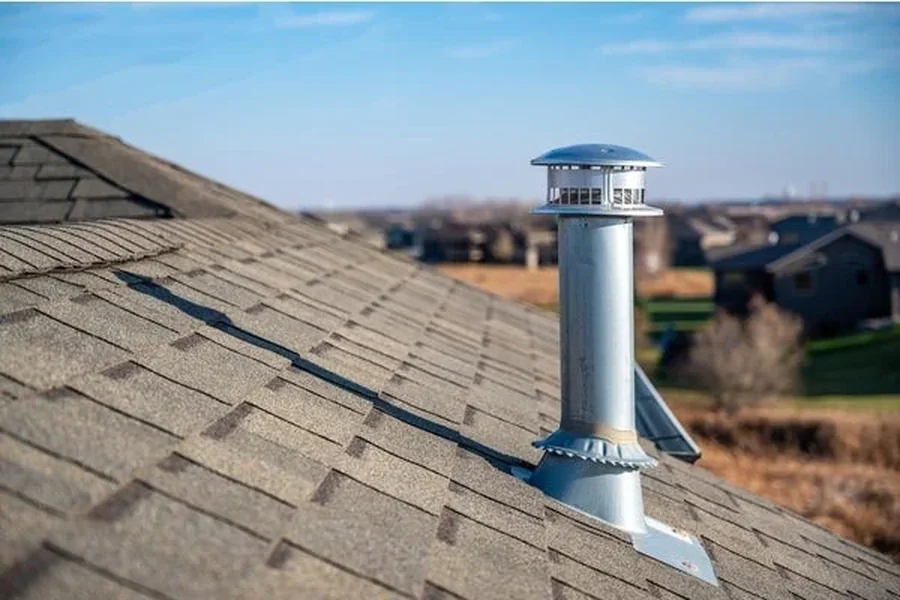
Every time water moves through a drain, it displaces air. If that air cannot move freely, the plumbing system develops pressure changes that fight the flow. Proper venting provides a pathway for air to enter behind draining water and a route for sewer gases to exit safely above the roofline. This balance keeps the drainage stream stable, allowing water to move without surging or stalling. When venting is missing or blocked, negative pressure can form, creating siphoning forces that pull water out of traps, while positive pressure can push air back through fixtures, causing bubbling. Venting is also important for protecting pipe joints and seals, as pressure swings can stress weak connections and cause leaks over time. The result of good venting is simple but important: drains empty quickly, the system stays quiet, and pressure remains controlled across multiple fixtures running at once.
-
Trap Protection and the Role of Water Seals
Traps are the curved sections of pipe under sinks, tubs, and floor drains that hold a small amount of water to block sewer gases. That water seal is only effective when venting keeps the pressure stable. If a fixture is poorly vented, draining water can siphon the trap dry or partially empty it, creating a direct path for odors to enter the building. This is why people sometimes notice sewer smells after a fixture drains, even when there is no visible leak. Proper venting protects trap seals by preventing excessive suction and by allowing air to enter the system in the right places. Homeowners who call plumbing contractors in Pasadena, MD, for gurgling drains often discover that the core issue is not the fixture itself but the vent path supporting it. When venting is corrected, traps retain their water seals more reliably, odors disappear, and fixtures drain without the unsettling bubbling sounds.
-
Common Signs of Venting Problems
Venting issues often reveal themselves through a pattern rather than a single symptom. Gurgling sounds in a sink or tub can indicate air being pulled through the trap because the vent cannot supply enough air. Slow drainage may happen even when the drain line is not fully clogged, because the system is struggling against a pressure imbalance. Toilets that flush inconsistently or siphon into nearby traps can also indicate venting issues, especially in bathrooms where multiple fixtures share drain lines. Sewer odors that appear intermittently, especially after using a washer or running a large amount of water, can indicate a loss of trap seal due to venting problems. These symptoms can overlap with clogs, so diagnosis matters. A vent obstruction, such as debris, a bird nest, or ice buildup on a roof vent, can create sudden issues even in a system that worked fine previously. Recognizing these signs early helps prevent repeated frustration and reduces the chance of hidden sewer gas entry.
-
Vent Design Choices and How Buildings Affect Performance
Proper venting depends on how a building is laid out and how fixtures connect to drain lines. Bathrooms, kitchens, laundry areas, and basements each create different venting demands based on distance to stacks, fixture placement, and drain sizes. Vent pipes must be sized and routed so they can move enough air during peak drainage events, such as a toilet flush combined with a shower drain and a washing machine discharge. Building renovations can complicate venting, especially when walls are moved, fixtures are relocated, or new bathrooms are added without updating vent pathways. Contractors often find that venting problems appear after remodeling because the system was altered in a way that reduced vent capacity or increased drain demand. Proper vent design keeps fixture drains within allowable distances from vent connections so traps remain protected and airflow remains sufficient. When design aligns with the building’s layout, the system handles simultaneous use without noise, slow drains, or trap disruption.
-
Repairs, Maintenance, and Safe Vent Corrections
Fixing venting problems begins with confirming whether the issue is a vent obstruction, a missing vent connection, or a sizing and routing limitation. Clearing roof vents can solve sudden symptoms, but recurring problems may require deeper inspection of vent runs inside walls and attic spaces. Contractors may use cameras or smoke testing methods to identify where airflow is restricted or where trap seals are being compromised. Some solutions involve adding or rerouting vent lines to support fixtures more directly, especially in additions or converted spaces. Vent repairs also have to consider safe discharge locations for sewer gases and proper sealing through roof penetrations to prevent leaks. Maintenance helps too, particularly in properties where roof vents are prone to debris buildup. Keeping the venting functional protects the entire drainage system because airflow affects every fixture connected to the same drain network.
-
A Short Thought to Keep in Mind
Venting is the part of plumbing that most people never see, but they hear it when something goes wrong. Gurgling, slow drains, and odors often trace back to a pressure imbalance, not just blockages. When venting is correct, traps stay sealed, drainage stays smooth, and sewer gases remain outside where they belong. Addressing vent issues early can prevent repeated clogs, nuisance smells, and the stress that pressure swings can place on pipes and fittings.
Venting Protects Drainage and Indoor Air
Proper venting is essential because it keeps the drain flow stable and protects the water seals that block sewer gases. By balancing air pressure, venting allows fixtures to drain quickly, prevents siphoning and bubbling, and reduces the likelihood of odors entering the building. Venting issues often manifest as gurgling, slow drainage, and inconsistent toilet behavior, especially when multiple fixtures share a drain pathway. Good vent design also becomes more important after renovations, when added fixtures increase demand on existing systems. When vent lines remain clear, correctly routed, and properly sized, the plumbing system becomes quieter, more reliable, and safer for indoor air quality. Venting may be hidden, but its impact is felt every day.