
Pool Services and the Hidden Work Behind Clear Water
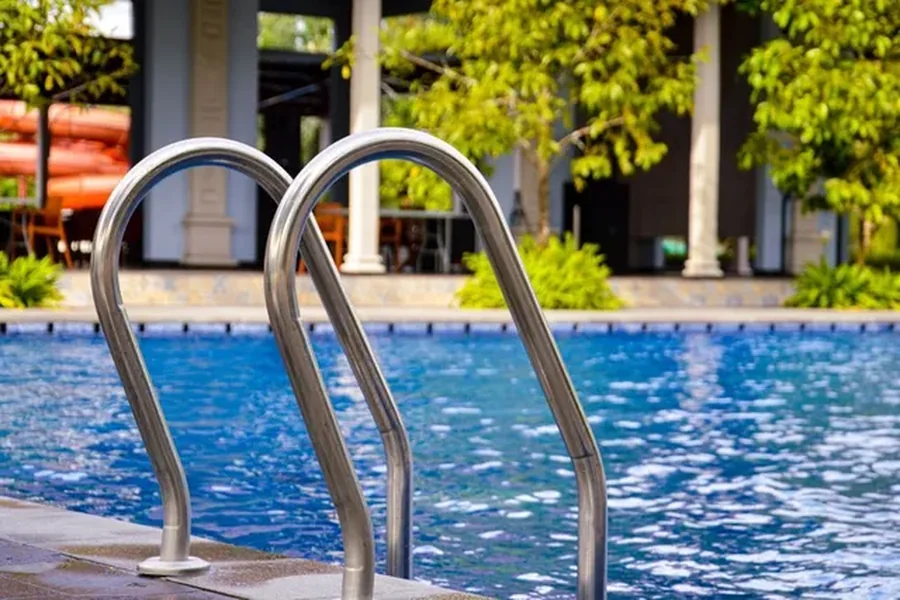
A swimming pool looks effortless when the water is clear and the surface is calm, but that appearance depends on steady upkeep that balances chemistry, circulation, and physical cleanliness. Pool services exist to keep that balance from drifting, especially when weather, heavy use, and debris constantly push the water out of range. When maintenance is inconsistent, small issues can turn into cloudy water, algae growth, equipment strain, or swimmers’ irritation. Pool care is not only about aesthetics; it protects surfaces, plumbing, and mechanical components that are expensive to replace. Understanding what pool services actually manage helps explain why reliable routines matter and how proactive care prevents problems from escalating.
What Keeps a Pool Stable
-
Water Chemistry as a Protective System
Pool water is not just water; it is a controlled environment designed to keep swimmers comfortable while protecting the pool’s finish and equipment. A service routine typically focuses on maintaining sanitizer levels and balancing pH, alkalinity, and calcium hardness to prevent the water from becoming corrosive or scale-forming. When the balance drifts, surfaces can become rough, metals can corrode, and heaters or salt cells can accumulate deposits, reducing performance. Chemistry also affects how clean the pool looks, because unbalanced water can cause cloudiness and make it harder for filtration to capture fine particles. Consistent testing and careful adjustments maintain a stable baseline, preventing surprises. This stability matters most during hot weather or heavy swimming periods, when sanitizer demand rises quickly, and water can shift out of range in a short time.
-
Circulation and Filtration for Consistent Clarity
Even perfectly balanced chemicals struggle if water is not moving correctly. Circulation distributes sanitizer, prevents stagnant zones, and pushes debris toward skimmers and drains so filters can remove it. Pool services often include checking pump operation, verifying run times, cleaning baskets, and ensuring return jets are positioned to create even flow. Filters also require attention, as a dirty or undersized filter can allow fine debris to remain suspended, leading to dull or cloudy water. A service visit may include backwashing, cartridge rinsing, or evaluating pressure readings to confirm the system is not overworked. When homeowners want to learn more for our pool services, they often ask why their water looks inconsistent despite chemical additions, and circulation is frequently part of the answer. A properly functioning circulation and filtration setup supports clearer water, steadier chemistry, and fewer recurring issues.
-
Brushing, Skimming, and the Role of Physical Cleaning
Physical cleaning is often what separates a pool that looks clean from a pool that stays clean. Brushing walls, steps, and tile lines breaks up biofilm and algae spores before they anchor and spread. Skimming removes floating debris before it sinks and becomes harder to capture. Vacuuming or robotic cleaning removes settled dirt that can feed algae and cloud the water when swimmers disturb it. Pool services often combine these tasks with visual inspection, as early signs of surface staining, scaling, or algae growth often appear in predictable areas, such as corners, shaded walls, or behind ladders. This hands-on work reduces the chemical load required to keep water clear, since fewer contaminants remain in the pool to consume sanitizer. Over time, consistent physical cleaning also preserves the pool’s appearance by preventing buildup that becomes difficult to remove later.
-
Equipment Monitoring and Preventing Costly Breakdowns
Pools rely on mechanical systems that operate in harsh conditions: constant moisture, heat, and chemical exposure. Services commonly include checking pumps for unusual noise, verifying that seals are not leaking, ensuring valves move smoothly, and inspecting heaters and automation systems for errors. Small mechanical problems often show subtle signs before major failures, such as air bubbles in the pump basket, inconsistent pressure, or reduced flow at the returns. Catching these early can prevent damage to motors, impellers, or heater components. Equipment monitoring also protects water quality, because reduced circulation quickly impacts clarity and sanitation. A routine that includes basic maintenance, such as lubricating o-rings and cleaning sensors, helps systems run efficiently and reduces the likelihood of emergency repairs during peak swim season when downtime is most frustrating.
-
Seasonal Care and Weather-Driven Adjustments
Pools behave differently across seasons, and services often adapt routines to match temperature and weather patterns. In warmer months, sanitizer demand rises, algae risk increases, and evaporation can concentrate minerals, requiring closer attention to balance. During rainy periods, runoff can introduce phosphates, debris, and organic matter that consume sanitizer and encourage growth. In cooler months, lower water temperatures may slow algae but can also change how chemicals behave, creating new balance challenges. Seasonal care may include adjusting run times, cleaning more frequently after storms, and managing water levels to protect skimmers and pumps. For pools in areas with falling leaves or dust, preventative steps such as timely skimming and filter cleaning become more important. Adapting maintenance to real conditions helps keep the pool stable rather than reacting after problems appear.
Pool services are built around stability: balanced chemistry, steady circulation, consistent cleaning, and proactive equipment checks that prevent minor issues from becoming major disruptions. Clear water is the visible outcome of work that often goes unnoticed, from brushing surfaces to monitoring filtration performance and adjusting routines for seasonal changes. When these elements are managed consistently, swimmers experience comfort and clarity, and the pool’s surfaces and equipment are protected from long-term damage. A well-maintained pool is less about constant correction and more about maintaining equilibrium, allowing owners to enjoy the space with fewer surprises and less downtime throughout the year.