
After an Accident in San Bernardino, California: A Practical Checklist for Medical Care, Evidence, and Deadlines
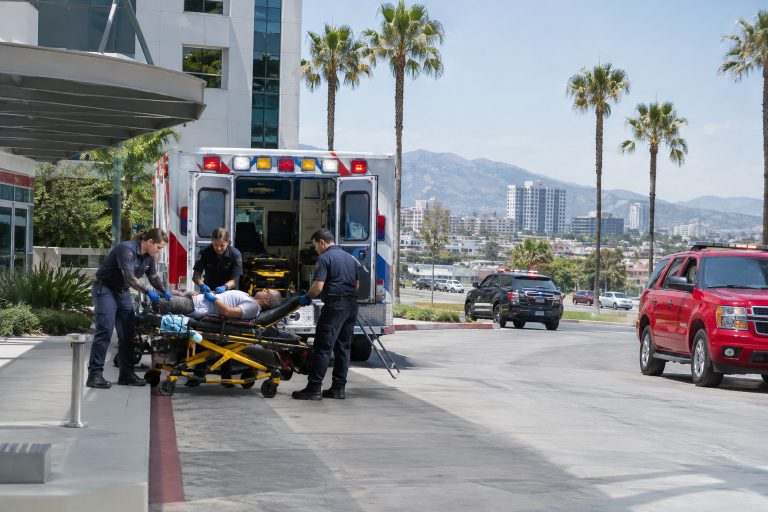
An accident can quickly disrupt an ordinary day in San Bernardino, whether it happens on a busy freeway, in a parking lot, at a job site, or inside a local business. The first priority is always personal safety and appropriate medical care. For people trying to understand the next steps, Valero Law Group injury lawyers provides information focused on injury concerns in the San Bernardino area.
A calm, organized response can make it easier to manage appointments, insurance calls, paperwork, and household responsibilities during recovery. This checklist is not a substitute for medical or legal advice, but it can help injured people preserve useful information and recognize issues that may need prompt attention.
What to Do in the First Few Hours
Move away from traffic, broken glass, fire, unstable surfaces, or other hazards if safe to do so. Call 911 when someone is badly hurt, trapped, unconscious, confused, having trouble breathing, or in immediate danger. Avoid arguments or admissions of fault at the scene. When appropriate, exchange names, contact details, vehicle information, and insurance information.
Write down the time, location, weather, lighting, and a basic sequence of events while the details are fresh. In a city with heavy commuter routes, construction activity, and changing weather conditions, the surrounding circumstances can matter. Safety should always come before taking photos or gathering paperwork.
Why Medical Care Comes First
Stress and adrenaline can make it difficult to recognize symptoms immediately after a collision, fall, or other traumatic event. Seek emergency help for heavy bleeding, severe pain, breathing trouble, loss of consciousness, confusion, or other urgent symptoms. If symptoms appear later, consider contacting an appropriate medical provider rather than assuming they will resolve on their own.
What to Record at Each Visit
- When symptoms started and which body parts hurt.
- How pain or limitations affect sleep, work, driving, and routine tasks.
- Prescriptions, referrals, restrictions, and follow-up appointments.
- Discharge papers, visit summaries, bills, and test results.
How to Document the Scene
Evidence can disappear quickly. Vehicles may be repaired, a spill may be cleaned, surveillance footage may be overwritten, and witnesses may forget important details. If safe, take wide photos of the entire area and close photos of vehicle damage, injuries, hazards, traffic signs, lighting, and road conditions.
Collect witness names and contact details, report numbers, damaged clothing or personal items, repair estimates, and relevant messages or emails. Write a factual account soon afterward. Separate what you personally saw, heard, or felt from guesses about why the incident happened.
Reports That May Be Required
Reporting obligations vary by situation. A traffic collision, workplace injury, dog bite, fall at a business, or accident involving public property can each involve a different process. For California traffic accidents, the SR-1 report must generally be sent to the DMV within 10 days when someone was injured or killed, or when property damage exceeded $1,000. This report is separate from a police report or insurance claim.
- Notify a supervisor promptly after a workplace injury.
- Ask for an incident report after an injury at a business or rental property.
- Record the name of any city, county, transit agency, or other public entity connected to the location.
- Keep the report number and the name of the person who accepted the report.
Communicating With Insurance Companies
Provide accurate facts, but do not guess about fault, medical recovery time, or the full value of a claim. Confirm the adjuster’s name, insurer, claim number, phone number, email address, and document deadlines. Keep copies of every letter, email, estimate, bill, and settlement document.
The California guidance for handling an auto accident also explains practical steps such as documenting the scene, notifying an insurer, and reviewing policy coverage. Be especially cautious before providing a recorded statement or signing a broad medical authorization or release.
Special Steps for Workplace Injuries
Workplace injuries may involve a separate workers’ compensation process. Tell a supervisor or employer as soon as possible, request the required claim form, and tell medical providers that the injury occurred at work. Save work restrictions, employer communications, pay records, and details about missed shifts, reduced hours, or modified duties.
Building an Injury File
Use one paper folder and one secure digital backup. Create sections for medical records and bills, photos and videos, police or incident reports, insurance correspondence, witness details, employment records, repair information, and receipts for medication, transportation, equipment, or other out-of-pocket expenses.
Losses to Track
Careful records can show how an injury affected daily life. Depending on the circumstances, useful information may include emergency treatment, follow-up care, medication, therapy, medical equipment, transportation to appointments, lost earnings, reduced work hours, property repairs, and help needed with household tasks. A brief daily journal can also document pain, sleep problems, and activity limitations.
Deadlines to Review
Deadlines may depend on the claim type, the parties involved, insurance policy terms, and whether a public entity or employer is connected to the incident. Mark every known date on a calendar. Prompt guidance may be particularly important when the accident involved a government vehicle or property, a workplace, a minor, multiple parties, or injuries that became clear after the event.
Common Mistakes to Avoid
- Delaying medical care without understanding the reason for symptoms.
- Posting detailed comments, photos, or arguments about the incident online.
- Deleting messages, photos, damaged items, or claim documents.
- Guessing about speed, distance, fault, or future medical needs.
- Signing a release without carefully reviewing what it covers.
- Ignoring letters from an insurer, employer, or government agency.
Common Questions
What if there were no witnesses?
Photos, medical records, vehicle damage, surveillance footage, reports, and physical evidence may still help document what occurred. Preserve what is available as soon as possible.
Should someone post about an injury online?
Caution is wise. Posts, photos, and comments can be copied, shared, or viewed without their original context.
When may professional guidance be useful?
Prompt advice may be helpful after severe injuries, disputed responsibility, a denied claim, an uninsured driver incident, a workplace accident, or possible public-entity involvement.
Final Checklist
- Get to a safe location and call for emergency help when needed.
- Seek appropriate medical care and follow treatment instructions.
- Report the incident to the appropriate person or agency.
- Save photos, records, receipts, messages, and witness details.
- Communicate with insurers carefully and factually.
- Track expenses, missed work, treatment, and daily limitations.
- Review deadlines before they become urgent.