
Senior Safety Planning for Independent Living
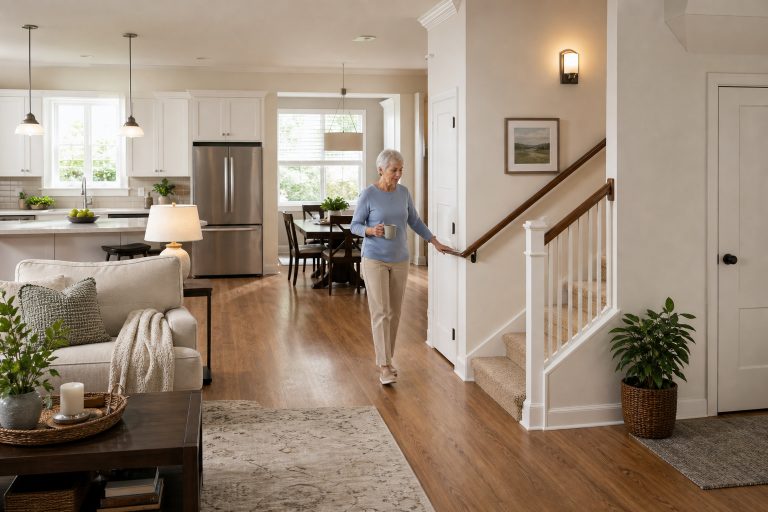
Living independently can remain practical and fulfilling when everyday routines include a few thoughtful safety measures. A clear plan helps older adults prepare for unexpected situations while maintaining control over their choices, and a life alert option may be part of that plan for those who want a simple way to request help.
Safety planning is not about limiting freedom. It is about making the home, daily habits, communication routines, and emergency steps easier to manage when a fall, illness, weather event, or missed check-in creates stress.
Why Every Independent Senior Needs a Safety Plan
An effective safety plan starts with real life. Someone who takes a morning walk, cares for a pet, cooks daily, or visits friends should have steps that fit those routines. For example, a person who enjoys walking alone might carry a charged phone, tell someone the expected return time, and know whom to contact if they feel unwell.
Planning can make an unexpected problem less confusing. Falls are a significant concern for adults aged 65 and older, but steps to help prevent them include identifying personal risks and making practical changes before an injury occurs. A plan is most useful when the older adult helps decide what support feels appropriate.
How to Check a Home for Common Hazards
A room-by-room review does not require special equipment. Focus first on the routes used most often, including the path from the bed to the bathroom, the front entrance, stairs, and the kitchen.
Entryways and Hallways
- Keep floors clear of shoes, mail, cords, boxes, and loose rugs.
- Use bright lighting near exterior doors, stairs, and narrow hallways.
- Make sure railings are secure and comfortable to grip.
- Repair loose flooring, curled carpet edges, and uneven thresholds.
Bathrooms, Kitchens, and Bedrooms
- Use nonslip surfaces in wet areas and consider grab bars near the toilet and shower.
- Keep towels, soap, medications, and frequently used kitchen items within easy reach.
- Use night-lights to make overnight trips safer.
- Place a phone or communication device where it is reachable from the bed and, if possible, from the floor.
For additional room-by-room ideas, the National Institute on Aging offers home safety tips for older adults that can help families notice hazards they may otherwise overlook.
Daily Habits That May Lower Fall Risk
Home changes work best alongside safe daily habits. Stand up slowly after sitting or lying down, particularly if dizziness is a concern. Wear shoes with firm, nonslip soles, and keep both hands available when using stairs or walking on uneven ground. A cane or walker should be used as recommended by a qualified health professional.
It is also wise to ask a doctor or pharmacist to review medicines that may cause dizziness, drowsiness, or balance problems. Regular vision and hearing care can help a person notice obstacles and communicate when assistance is needed. Safe strength and balance activities, including exercises approved by a health care professional, may help maintain confidence and mobility.
How to Build a Clear Emergency Plan
- Identify likely concerns. Consider falls, sudden illness, severe weather, power outages, or becoming disoriented away from home.
- Choose trusted contacts. Include family, neighbors, health care providers, and anyone with a spare key if appropriate.
- Write down essential details. List medications, allergies, medical conditions, preferred hospital, and pet care information.
- Set a response order. Decide who should be contacted first and what happens if that person does not answer.
- Practice the steps. A brief practice call or check-in can reveal confusing instructions before an emergency occurs.
Emergency devices and contact lists can be helpful, but they do not replace calling emergency services during a life-threatening situation. Personal medical questions should be discussed with the individual's health care team.
Ways Families Can Stay Connected
Consistent communication can provide reassurance without becoming intrusive. A daily call, text, or video chat at a familiar time may be enough for many households. Some families choose a simple code word for urgent situations, while others ask a nearby neighbor to check in only if a planned call is missed.
For instance, an older adult living alone may prefer one morning call from an adult child. If that call goes unanswered, a second contact can try to reach the person and then follow the agreed-upon backup steps. This approach supports independence because everyone understands the plan in advance.
Staying Safe While Running Errands or Enjoying the Outdoors
Safety planning should extend beyond the front door. Before leaving, check weather conditions, charge communication devices, and carry identification with emergency contact information. Familiar routes with places to sit, shade, lighting, and nearby businesses may feel more manageable than unfamiliar paths.
Tell someone about longer outings, especially when traveling farther than usual. Use extra caution around wet pavement, ice, broken sidewalks, poor lighting, and crowded parking areas. A backpack, shoulder bag, or belt pouch can help keep hands free for balance.
Choosing Helpful Safety and Communication Tools
The best tool is not necessarily the one with the most features. It should be comfortable enough to use regularly and simple enough to operate during a stressful moment.
Questions to Ask Before Choosing a Tool
- Can the person activate it easily and confidently?
- Will it work indoors, outdoors, or both?
- Does it depend on a phone, Wi-Fi connection, cellular service, or a base unit?
- How often does it need charging or maintenance?
- Can it contact family, a monitoring service, or emergency responders?
- What happens if the person cannot speak?
- Are ongoing fees, replacement policies, and coverage limits clearly explained?
When to Review or Update the Plan
Review the safety plan after a fall, hospital stay, surgery, new diagnosis, medication change, or move. It is also worth revisiting when vision, hearing, memory, balance, or mobility changes. Before winter weather, extended travel, or a period of living alone, confirm that contact information, keys, devices, and emergency supplies are still up to date.
A Safer Routine Can Support More Freedom
A strong safety plan does not need to be complicated or restrictive. Clear walkways, healthy movement, dependable contacts, and easy-to-use communication tools can make daily life feel more secure. The right plan respects the person's preferences, works under stress, and changes as needs change.