
Why Bar Charts Are the Easiest Way to Understand Data
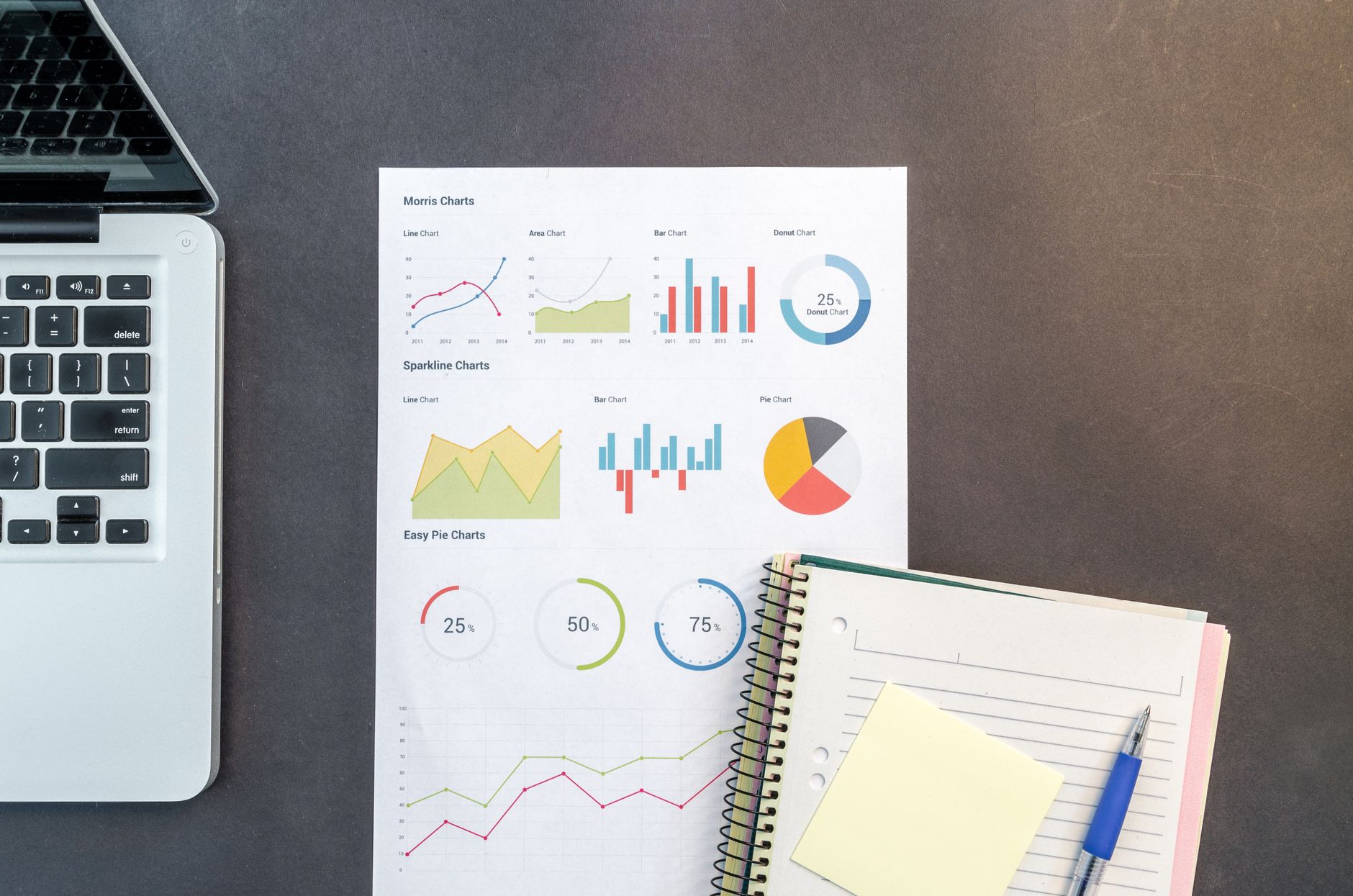
Data is everywhere. Businesses use it to track sales. Teachers use it to measure student progress. Marketers use it to understand campaigns. The challenge is not collecting data. The challenge is understanding it.
Many people look at spreadsheets full of numbers and feel overwhelmed. Rows and columns can make even simple information look complicated.
That is why bar charts remain one of the most popular ways to present data. A bar chart maker can turn a list of numbers into a clear visual that people understand in seconds.
In this guide, we will explore why bar charts are so effective, how they help people understand information faster, and why businesses, students, and professionals continue to rely on them.
What Is a Bar Chart?
A bar chart is a visual representation of data. It uses rectangular bars to compare values.
Each bar represents a category. The length or height of the bar shows the value of that category.
For example, a local shop might use a bar chart to compare monthly sales. A school might use one to compare student performance across different subjects.
Instead of reading many numbers, viewers can quickly see which values are higher or lower.
Why Humans Understand Visual Information Faster
The human brain processes images much faster than text.
When people look at a table filled with numbers, they often need time to find patterns. A chart removes that extra work.
Visual comparisons happen instantly
Imagine reading these numbers:
- Product A: 150 sales
- Product B: 300 sales
- Product C: 200 sales
You can understand them, but it takes a moment.
Now imagine those numbers shown as bars. You immediately see that Product B performed best.
That quick understanding is one reason bar charts are so effective.
Patterns become easier to spot
Bar charts help people notice:
- Growth
- Declines
- Trends
- Differences
- Performance gaps
Without a chart, these patterns may stay hidden inside a spreadsheet.
Why Bar Charts Are Simple for Everyone
Not everyone works with data every day.
A business owner, teacher, student, or customer may not know how to read complex reports.
Bar charts solve that problem.
- No special training required
Most people understand a bar chart within seconds.
Long bars represent larger values.
Short bars represent smaller values.
The concept is simple and universal.
- Great for presentations
When presenting information to clients, team members, or investors, clarity matters.
People remember visuals better than long explanations.
A bar chart helps presenters communicate information quickly and clearly.
How a Bar Chart Maker Makes the Process Easier
Years ago, creating charts often required advanced software.
Today, a bar chart maker makes the process much simpler.
- Quick chart creation
Users can enter data and generate charts within minutes.
This saves time and reduces manual work.
- Easy customization
Most tools allow users to:
- Change colors
- Edit labels
- Add titles
- Adjust layouts
This helps create charts that match reports, presentations, or branding.
- Share and download instantly
Modern chart tools make it easy to download or share charts online.
This is useful for teams that need to communicate data regularly.
Advantages of Using Bar Charts
- Easy to read
One of the biggest strengths of bar charts is their simplicity.
People can understand them regardless of their technical background.
- Makes comparisons clear
Bar charts are excellent for comparing categories side by side.
This helps viewers identify differences quickly.
- Supports better decision-making
When information becomes easier to understand, decision-making improves.
People spend less time analyzing data and more time taking action.
- Works for small and large datasets
Whether you have five data points or fifty, bar charts can help organize information effectively.
Why Businesses Continue to Use Bar Charts
Technology continues to evolve, but bar charts remain popular.
The reason Is simple: They work!
A business owner can review sales performance in seconds. A teacher can explain survey results quickly. A startup can track growth without studying complex reports.
Bar charts help people focus on what matters instead of getting lost in numbers.