
What Is Matrixyl and How Does It Benefit Skin?
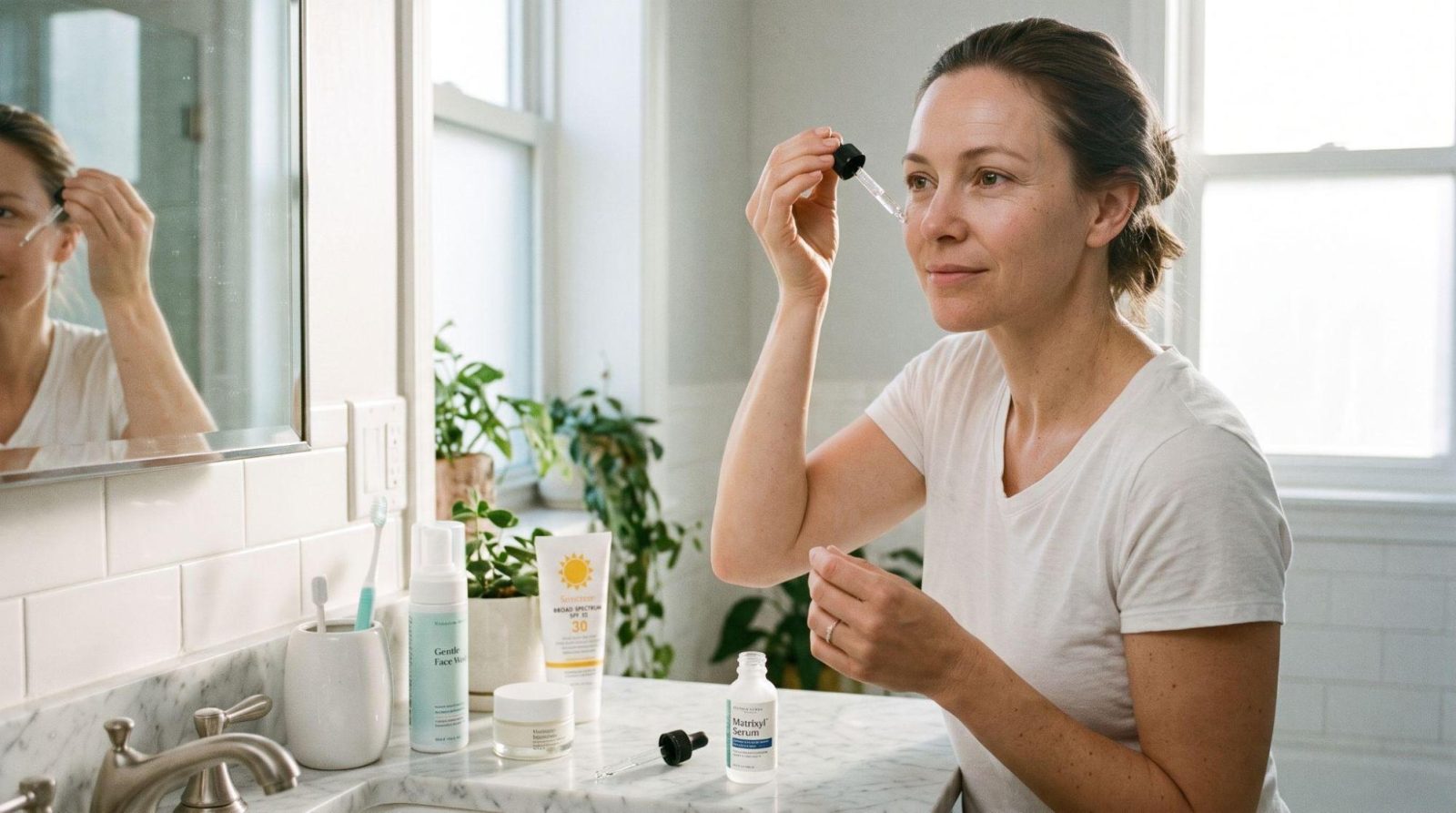
The skincare world is full of ingredients promising smoother, firmer, younger-looking skin. From retinol to hyaluronic acid, there’s always something new competing for space on your bathroom shelf. One of the newest buzzworthy ingredients is Matrixyl.
This peptide-based ingredient has gained attention for its potential to reduce visible signs of aging and support healthier-looking skin. But what exactly is Matrixyl, and does it deserve the hype? Here’s everything you need to know about this popular skincare ingredient.
What’s the Connection Between Matrixyl and Other Peptides?
Peptides aren’t exclusive to skincare. They’re naturally present throughout the body and play important roles in numerous biological processes. While Matrixyl is typically applied topically through creams and serums, other peptides are studied for applications ranging from metabolism to tissue repair.
People exploring different peptide-related routines might find this free tracking app useful for organizing schedules and keeping track of their activities. However, cosmetic peptides like Matrixyl shouldn’t be confused with peptides used in medical treatments or experimental research. Their purposes, formulations, and safety considerations can differ significantly.
What Is Matrixyl?
Matrixyl isn’t just another fancy name designed to make skincare sound scientific. It’s a trademarked family of peptide-based ingredients developed for cosmetic formulations. Peptides are short chains of amino acids, which are the building blocks of proteins. Certain peptides can act as messengers, signaling processes that maintain skin structure.
Different Matrixyl formulations contain different peptides, but they’re generally designed to improve the appearance of aging skin. Think of Matrixyl as a potential supporting player in your skincare routine rather than a miracle ingredient that transforms your complexion overnight.
How Does Matrixyl Actually Work on Your Skin?
Your skin relies on structural proteins like collagen and elastin to maintain its firmness and flexibility. Unfortunately, collagen production naturally declines with age. Certain Matrixyl peptides are designed to influence cellular signaling pathways associated with collagen and other components of the skin’s supporting structure.
Laboratory research suggests these peptides may promote processes that help maintain the skin’s appearance. However, whether those effects translate into noticeable improvements depends on the finished product and how consistently it’s used.
Can Matrixyl Really Help With Wrinkles and Fine Lines?
Some small clinical studies and laboratory findings suggest that Matrixyl-containing products may improve the appearance of fine lines, wrinkles, and skin texture.
However, research remains limited, and results aren’t guaranteed. Factors like peptide concentration, formulation quality, and individual skin characteristics can influence outcomes. Matrixyl might help your complexion look smoother over time, but don’t expect it to erase years of aging after a few applications.
Matrixyl vs. Retinol: Which One Deserves a Spot on Your Shelf?
When it comes to anti-aging skincare, retinol has earned its reputation. But how does Matrixyl compare?
Retinol, a vitamin A derivative, helps support skin cell turnover and collagen production. It’s backed by extensive research demonstrating its effectiveness against fine lines, wrinkles, and uneven skin tone.
Matrixyl takes a different approach. Its peptides are designed to support processes that maintain the skin’s structure, potentially improving firmness and texture. One potential advantage? Matrixyl-containing products may be gentler than retinol, which can cause dryness, redness, and irritation.
Fortunately, you don’t necessarily have to choose between them. Both ingredients can fit into the same skincare routine, provided your skin tolerates the combination.
How To Add Matrixyl to Your Skincare Routine Without Overthinking It
You’ll usually find Matrixyl in serums, moisturizers, and anti-aging creams, and most are meant to go on clean skin, right after cleansing, so follow your product’s instructions for when and how much to apply. Matrixyl also plays well with hydrating ingredients like hyaluronic acid and glycerin, which help keep skin moisturized.
From there, consistency matters more than any single application, so use your product regularly rather than expecting dramatic results overnight. Finish your morning routine with a broad-spectrum SPF 30 or higher to help protect against premature skin aging. Skincare results take patience, so give your routine time before deciding whether a product deserves a permanent spot on your shelf.
Are There Any Side Effects or Downsides to Matrixyl?
Matrixyl is generally considered well-tolerated in cosmetic formulations, making it an appealing option for people concerned about irritation. However, that doesn’t mean every Matrixyl product is guaranteed to agree with your skin.
Fragrances, preservatives, and other ingredients may trigger redness, itching, or sensitivity. Always patch-test unfamiliar products before applying them across your face. If you have particularly sensitive skin or an existing skin condition, consider consulting a dermatologist before introducing new ingredients.
Is Matrixyl Worth the Hype?
Matrixyl offers an interesting approach to anti-aging skincare, with potential benefits for improving the appearance of wrinkles, firmness, and texture. While its scientific evidence isn’t as extensive as retinol’s, it may still be worth exploring if you’re interested in peptide-based skincare.
Ultimately, the best skincare routine combines effective ingredients, consistency, sun protection, and realistic expectations. Matrixyl might not turn back the clock, but it could earn a place in your everyday skincare lineup.