
What Cracked Bricks Are Really Telling You About Your Home
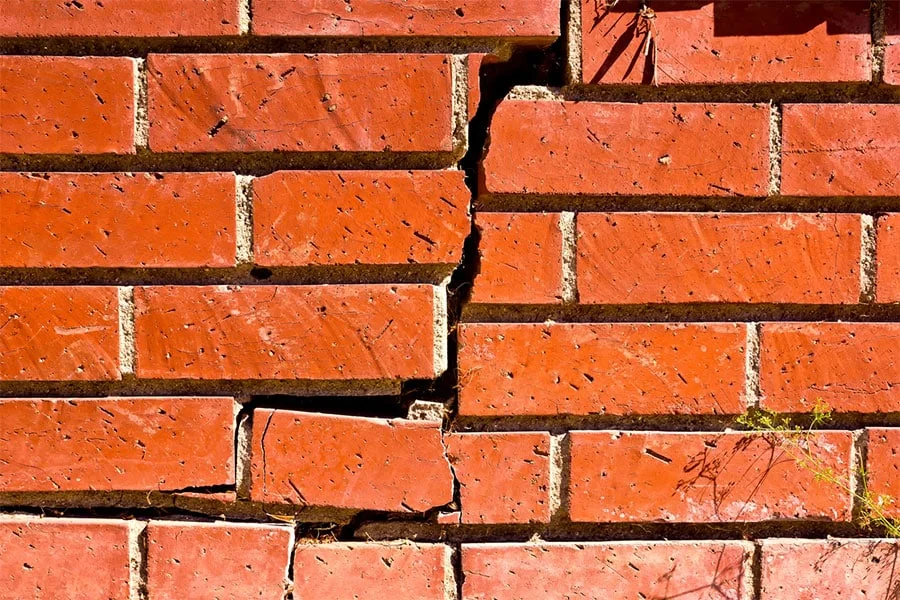
Cracked bricks often appear quiet and harmless, yet those small lines in masonry can share clear messages about a house. Brickwork serves as both structure and shield, so any visible change deserves attention. Many property owners overlook these marks until larger damage appears, but early signs often offer the best chance for repair without major cost. A closer look at these cracks reveals clues about soil movement, moisture, and age.
Early awareness leads to smarter choices, fewer surprises, and better protection for long-term property value. Experienced masonry standards followed by reputable firms like Next Level Custom Brick often show how proper construction responds to pressure over time instead of breaking down suddenly. That reference helps frame why crack patterns deserve careful review rather than quick patchwork.
Cracks as Early Warning Signals
Brick cracks rarely form without cause. Each pattern points toward a different source of stress. Some appear thin and straight, while others follow stair-step paths across mortar joints. These details matter because they help define the seriousness of the issue. In many neighborhoods, shifting soil places pressure on foundations. Changes in moisture levels cause expansion and contraction beneath the home. Over time, this stress transfers to the walls and reveals itself through visible fractures.
Common Causes Behind Brick Damage
Several factors influence brick movement. Climate, construction methods, and foundation depth all play a role. Brick itself remains strong, but mortar joints usually show distress first.
Structural Pressure Factors
- Uneven soil settlement below the foundation
- Poor drainage near exterior walls
- Tree roots close to the structure
Material and Age Factors
- Natural wear due to decades of exposure
- Mortar erosion from moisture exposure
- Expansion from temperature shifts
Each cause leaves a distinct signature. Accurate identification prevents surface repairs that fail to address deeper concerns.
Why Crack Patterns Matter
The shape and direction of a crack often reveal its origin. Vertical cracks often point to minor settling, while diagonal patterns suggest uneven foundation movement. Horizontal cracks deserve prompt attention, as they may signal deeper structural pressure.
Crack Pattern Examples
- Vertical lines near windows or doors
- Stair step cracks along mortar joints
- Wide horizontal gaps near the basement walls
Each pattern tells a story about load balance and stress distribution. Correct interpretation guides effective repair decisions.
Moisture and Brick Behavior
Water remains one of the strongest influences on masonry. Poor drainage sends rainwater toward foundations. As soil absorbs moisture, expansion follows. Dry seasons reverse that effect, which creates constant movement beneath walls. Over time, repeated moisture cycles weaken mortar bonds. Brick units stay firm, but joints lose flexibility. Cracks appear as walls adjust to environmental shifts. Correct moisture control often stops further damage before repair begins.
When Professional Help Makes Sense
Some cracks appear cosmetic, while others suggest serious concerns. Distinguishing between the two requires experience. Professionals evaluate width, depth, and movement history. Nearby areas such as foundations, gutters, and grading also receive close review. A professional assessment avoids unnecessary expense and directs attention toward root causes. Skilled masonry experts restore damaged sections while preserving the structure’s original appearance.
How Craftsmanship Influences Longevity
Brickwork quality at the time of construction affects how walls respond to pressure decades later. Proper mortar blends allow subtle movement without fracture. Established masonry practices, as demonstrated by specialists like Next Level Custom Brick, show why thoughtful repair methods extend wall life and reduce repeat issues.
Cracked bricks offer insight rather than alarm. They reflect movement, moisture, and time rather than sudden failure. Early evaluation and informed repair choices protect homes from deeper structural challenges. Professional guidance brings clarity when uncertainty appears. With proper care, brick walls regain strength and stability while preserving character, value, and long-term confidence in the home.