
Virginia Bicycle Safety and Legal Rights After a Serious Crash
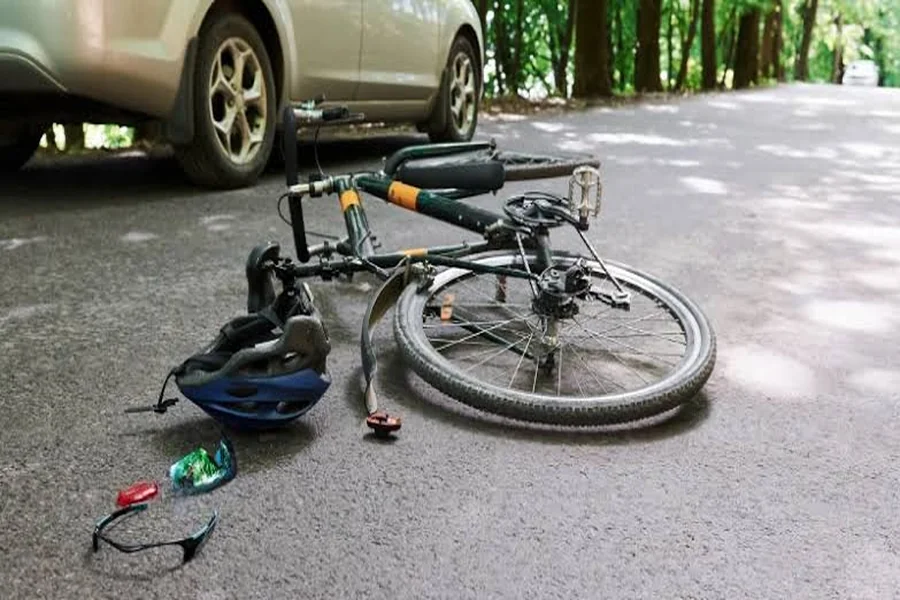
Riding a bike is one of the simplest ways to get around, stay active, and enjoy time outdoors. But when a car and a bicycle collide, the rider almost always takes the worst of it. A cyclist has no seat belt, no airbag, and no metal frame around them, so even a low-speed crash can lead to broken bones, a head injury, or weeks away from work.
Knowing the rules of the road before you ride, and knowing your rights after a crash, can make a real difference in how you recover. If a careless driver hurt you, talking with a Virginia bicycle accident attorney can help you understand who may be responsible and what steps to take next. This guide covers the safety basics, the laws that apply, and what to do if a ride ends in a serious crash.
Why Bicycle Safety Matters Across Virginia
Virginia gives riders a wide mix of places to ride. Cyclists commute on busy streets in Richmond, Norfolk, and Northern Virginia, ride narrow two-lane roads through the Shenandoah Valley, and spend weekends on long routes like the Virginia Capital Trail between Richmond and Williamsburg. Each setting has its own risks, from heavy rush-hour traffic in the cities to small shoulders and higher speeds on country roads.
The numbers show why safety matters. Virginia Department of Motor Vehicles data shows 627 bicycle crashes across the state in 2025, leaving 600 riders injured and 15 dead. Of those injured, 129 were seriously hurt, and while deaths dropped from 25 the year before, a single bad crash can still change a rider’s life.
How Bicycle Crashes Happen and the Injuries They Cause
Many crashes happen because a driver does not see the rider or does not give them enough room. A driver may turn left across a cyclist’s path, pull out of a driveway without looking, or drift into a bike lane while checking a phone. Opening a parked car door into a passing rider, often called dooring, is another common cause on city streets.
Because riders have so little protection, the injuries tend to be serious. Common injuries include broken bones, road rash, dislocated joints, neck and back injuries, and traumatic brain injuries. Some of these, especially head injuries, may not show clear symptoms for hours or even days after the crash.
Virginia Bicycle Laws Every Rider and Driver Should Know
Virginia treats a bicycle much like a vehicle when it is on the road. Riders have the same rights and duties as drivers, so they must obey traffic signals, stop signs, and lane markings. When a rider is on a sidewalk, shared-use path, or crosswalk, the rules for pedestrians generally apply instead.
Drivers have duties of their own. A driver passing a cyclist must leave at least three feet of space, and if the lane is too narrow for that gap, the driver must move into another lane to pass. The Virginia Department of Motor Vehicles explains that this lane change rule took effect in 2021, along with a change that removed earlier limits on cyclists riding two side by side.
A few rules apply only to riders. Virginia has no statewide helmet law for adults, but some cities and counties require helmets for riders under 14. Cyclists must keep at least one hand on the handlebars, cannot wear earphones in both ears, and need a white front light and a red rear reflector when riding at night.
What to Do After a Bicycle Crash
Your health comes first. Call 911 if anyone is hurt, move out of traffic if you can do it safely, and get checked by a doctor even if you feel fine. Medical records made soon after the crash also help connect your injuries to the collision later on.
If you are able, gather information at the scene before it disappears. These steps can help protect your claim:
- Get the driver’s name, phone number, insurance details, and license plate number.
- Take photos of the vehicle, your bike, the road, nearby traffic signs, and your injuries.
- Ask witnesses for their names and phone numbers.
- Get the police report number before officers leave the scene.
- Keep your damaged bike, helmet, and clothing just as they are.
In the days that follow, save every medical bill, receipt, and note about missed work. Be careful when an insurance adjuster calls, and avoid guessing about fault or saying you are fine before a doctor has cleared you.
How Fault Works in a Virginia Bicycle Case
Virginia follows a strict rule called contributory negligence. Under this rule, an injured person who is found even slightly at fault for a crash may be barred from recovering money from the other party. Virginia is one of only a few states that still uses this rule, which is why insurance companies often look for ways to place some of the blame on the cyclist.
An insurer might argue that the rider ran a stop sign, failed to signal, rode at night without a light, or was wearing earphones. Strong evidence, such as photos, witness statements, and video footage, can help push back against these claims. Some exceptions to the rule may also apply, depending on the facts of the crash.
Time limits matter too. In most Virginia personal injury cases, a lawsuit must be filed within two years of the date of the injury. If you carry medical expense coverage on your own auto insurance policy, it may help pay medical bills after a bike crash, even though you were not in your car at the time.
Frequently Asked Questions
Do cyclists in Virginia have to follow the same traffic laws as drivers?
Yes. When riding on the road, cyclists have the same rights and duties as drivers, along with a few extra rules that apply only to bikes.
Can I still recover money if I was partly at fault?
It can be hard. Virginia’s contributory negligence rule may block recovery if you share any fault, though some exceptions exist depending on the facts.
How long do I have to file a claim?
Most personal injury lawsuits in Virginia must be filed within two years of the injury. Waiting too long can also make it harder to find witnesses and evidence.
Should I see a doctor if I feel okay after a crash?
Yes. Some injuries, especially head injuries, may not show symptoms right away, and early medical records help support a claim.
How to Protect Yourself on Virginia Roads
Safe habits like wearing a helmet, using lights, riding with traffic, and staying alert can lower your chances of a crash. Even so, a careful rider can still be hurt by a driver who is speeding, distracted, or simply not paying attention to the road.
If a crash does happen, focus on your health, save the evidence, and keep track of your costs. Because Virginia’s fault rules are so strict, getting clear answers early can help you protect your rights while you focus on getting better.