
Understanding Export Invoice Finance and Its Role in Global Trade

Global commerce has expanded rapidly in recent decades, prompting businesses of all sizes to explore overseas markets as a means of growth. Selling goods or services internationally introduces opportunities, but it also brings challenges. One of the most significant difficulties for exporters is the delay in receiving payment from foreign buyers. Extended credit terms, logistical issues, and varying payment practices can place pressure on a company’s working capital, affecting its ability to fund operations or pursue new business. Then export invoice finance offers a financial solution to this challenge by transforming unpaid invoices into immediate liquidity.
What Export Invoice Finance Entails
Export invoice finance is a financing option that helps exporters maintain a steady cash flow when selling internationally. When companies deliver products or services to overseas clients, they often allow longer payment periods to remain competitive. These delays can create tension between incoming and outgoing cash flows, especially for small and medium-sized enterprises (SMEs) that operate with limited reserves. Invoice finance addresses this problem by converting unpaid invoices into ready capital.
The mechanism involves a company selling its outstanding invoices to a finance provider, commonly known as a factoring company. In return, the business receives an advance on the invoice value, typically ranging from 70 to 90 percent, based on risk assessment and contractual terms. Once the foreign client settles the invoice, the factoring company releases the remaining balance after deducting a service fee. This approach allows businesses to access funds without waiting for lengthy payment cycles, keeping operations fluid and sustainable.
Operational Advantages in Everyday Business
One of the primary benefits of export invoice finance is the transfer of payment risk to the factoring company. Exporters no longer need to allocate extensive resources to tracking overdue payments, a process that can drain time and energy from core business functions. Factoring companies often offer supplementary services, including credit evaluation and collection management, which further reduce administrative demands for exporters.
Before shipping products, the factoring company assesses the financial reliability of prospective buyers. This assessment gives businesses confidence that the likelihood of delayed or defaulted payments is minimised. By handling credit checks, monitoring, and collection processes, the finance provider allows the exporting company to concentrate on production, marketing, and sales, rather than on complex payment issues.
Supporting Risk Management in International Trade
Companies engaged in global trade face multiple risks. Credit risk arises when a buyer is unable or unwilling to pay. Exchange rate volatility can alter the real value of transactions. Political instability in the buyer’s country may interrupt agreements or create uncertainty. Export invoice finance helps manage these threats by providing immediate funds once invoices are issued, reducing dependence on delayed payments. This improved cash flow strengthens a company’s negotiating position with suppliers and supports smoother interactions with clients.
By shortening the gap between issuing invoices and receiving funds, businesses can maintain steady operational momentum. This financial stability enables them to take on larger orders, manage production schedules effectively, and meet commitments without stretching resources too thin. Access to prompt liquidity also allows businesses to respond to sudden market changes, such as shifts in demand or unexpected expenses, without relying solely on internal reserves.
Who Stands to Gain
Export invoice finance proves particularly helpful for SMEs. These companies often lack the borrowing capacity or collateral required to secure traditional loans from banks. Factoring arrangements offer a solution based on the creditworthiness of the buyer, rather than the financial track record of the exporting company itself. This opens doors for businesses that would otherwise struggle to fund international operations.
Companies operating in regions with unstable currencies or unpredictable political climates also find value in invoice financing. Factoring firms bring expertise in handling cross-border payment risks, offering guidance and monitoring to ensure transactions proceed smoothly. This support allows exporters to expand globally with reduced concern over non-payment or market volatility, facilitating growth and competitiveness.
Key Points When Selecting a Financing Partner
Selecting the right finance partner is a decisive step. The experience and reputation of the factoring company can significantly affect outcomes. Businesses should evaluate the provider’s familiarity with international trade, the markets involved, and the nature of their products. Agreement terms, advance rates, fees, and the scope of additional services should be weighed against the company’s operational needs.
It is also advisable to review the company’s track record with similar clients. A provider that has managed exports successfully in the target markets will likely offer insights and operational support that go beyond standard financing. Careful comparison of available options ensures that the exporter finds a partnership aligned with both financial goals and business processes.
Technological Advancements and the Future
As global trade continues to grow, the methods of managing international payments evolve. Digital platforms now allow real-time invoice submission, automated verification, and faster approval processes. These improvements reduce turnaround time and increase transparency for all parties involved. Such technological integration makes export invoice finance a more practical and responsive tool, especially for businesses aiming to scale operations without adding complexity to administrative processes.
The trend toward faster, technology-driven financial services is expected to continue. Businesses that adopt invoice financing solutions equipped with digital capabilities may gain an advantage in maintaining steady cash flows while navigating international markets efficiently. This readiness can be particularly advantageous when dealing with unpredictable economic conditions or sudden changes in buyer behaviour.
Conclusion
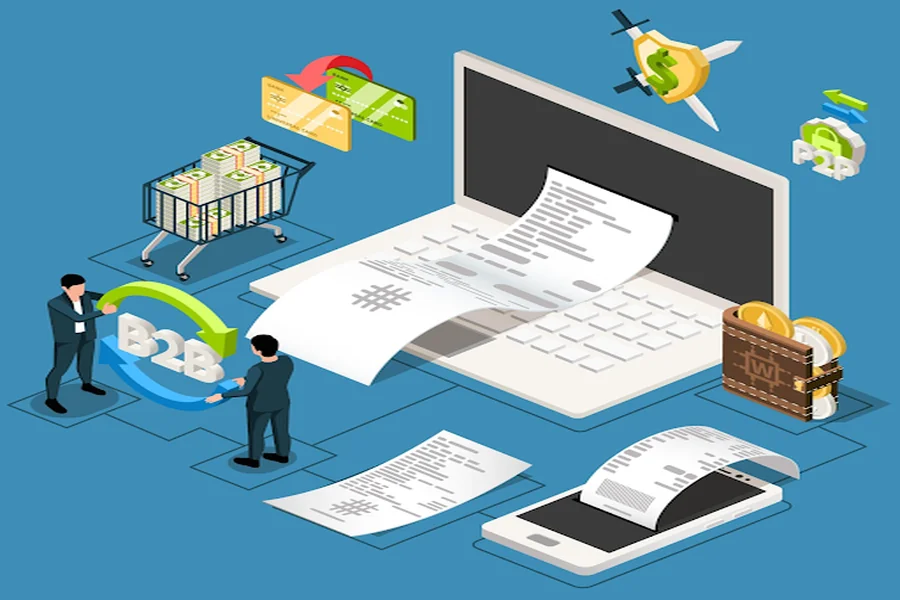
Export invoice finance addresses the specific challenges of international trade by providing immediate liquidity and transferring the burden of payment collection. It offers practical advantages for SMEs and exporters operating in higher-risk markets, allowing them to maintain operational continuity and manage cash flow effectively. By partnering with experienced finance providers and utilising modern technological tools, businesses can reduce administrative strain, mitigate financial risk, and pursue growth opportunities abroad. As global commerce continues to expand, invoice financing remains a reliable instrument for companies seeking stability and responsiveness in cross-border operations. This approach supports exporters in maintaining competitiveness, meeting client expectations, and sustaining long-term growth.