
The Gacha Goldmine: How NekoDrop is Changing Passive Income for U.S. Entrepreneurs
The American retail landscape is shifting away from the predictable and toward the experiential. For decades, the “passive income” dream for many small-scale investors involved a row of snack machines in a breakroom or a laundromat. While those models still exist, they are often a race to the bottom with thin margins and high spoilage. However, a new wave of “retail-tainment” is taking over malls, transit hubs, and commercial lobbies. At the forefront of this movement is a specialized model that swaps potato chips for high-demand collectibles.
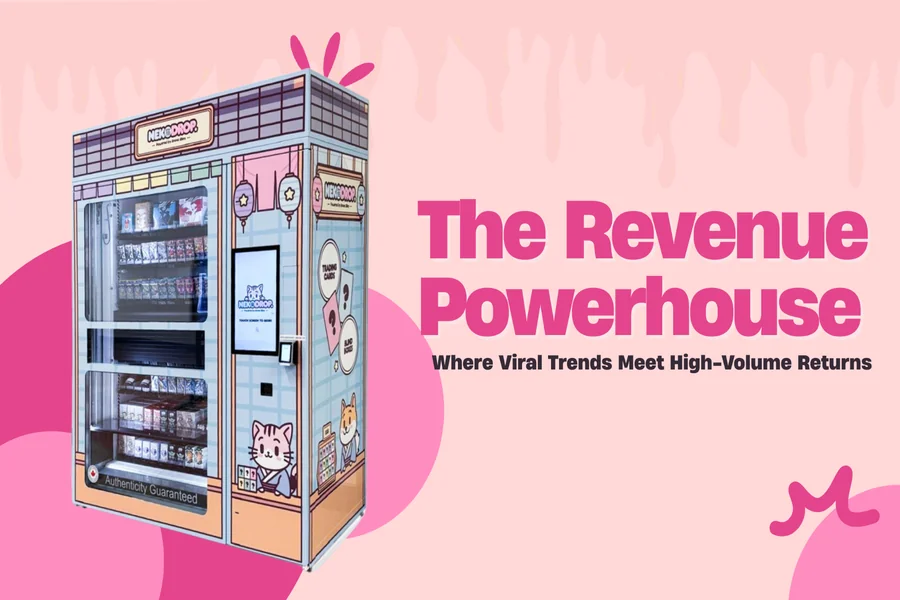
Many investors are finding success with NekoDrop vending machines because they offer a hands-off approach to selling high-margin blind box items. These sleek, modern units don’t just sit in a corner; they act as miniature storefronts for a generation obsessed with “unboxing” culture and the thrill of the hunt. By focusing on a “Done-For-You” (DFY) system, the barrier to entry has dropped, allowing people without a background in logistics or retail to tap into a multi-billion dollar hobbyist market.
The death of the snack machine and the rise of retail-tainment
Traditional vending is a volume game. You sell a bottle of water for two dollars after buying it for one. You have to move hundreds of units just to cover your electricity and location fees. Plus, food expires. If a specific brand of crackers doesn’t sell in three weeks, that is money straight into the trash.
The NekoDrop model flips this script by utilizing gacha-style sales. Originating in Japan, “Gachapon” refers to the sound of a crank turning and a capsule dropping. The magic isn’t just in the item itself, but in the mystery. In the United States, this has manifested as the “blind box” craze. When a customer walks up to a machine, they aren’t just buying a toy; they are paying for a 20-second dopamine hit.
This is retail-tainment. It turns a transaction into a micro-event. For property owners, this is a massive win. A machine that sells snacks is a utility, but a machine that sells rare Pokémon cards or Sonny Angel figurines is a destination. People will travel to a specific mall just because they heard a certain machine was restocked.
Why blind boxes are a goldmine
The economics of collectibles are vastly superior to the economics of food. Consider the current “Sonny Angel” or “Smiskis” trends. These small, artistic figures have a massive, dedicated following on social media platforms like TikTok and Instagram.
- Higher Price Points: While a bag of chips caps out at a certain price, a single blind box can easily retail for $12 to $25.
- Zero Spoilage: A plastic figure doesn’t go bad. If it doesn’t sell this week, it will sell next month. Your inventory retains its value indefinitely.
- Built-in Scarcity: Because these items come in series with “secret” or “chase” figures, customers are incentivized to buy multiple units at once to complete their sets.
- Low Footprint: A single NekoDrop unit takes up about the same space as a standard soda machine but can hold inventory with a total retail value five to ten times higher.
For an entrepreneur, this means fewer trips to restock and much higher revenue per square foot. It is the difference between managing a commodity and managing a brand.

The “Done-For-You” (DFY) advantage
The biggest hurdle for any new business is the “how.” How do I find a machine? How do I get the right to sell Pokémon or Sanrio products? How do I find a location that won’t charge me more than I make?
The NekoDrop system is built on a DFY framework. Instead of the entrepreneur having to cold-call mall managers or hunt down wholesale toy suppliers in Asia, the system provides a turn-key solution. This include the following:
- Sourcing and Logistics: You get access to the inventory that is actually moving. Selling “generic” toys is a quick way to fail. Selling “Smiskis” or high-end anime collectibles is a shortcut to high turnover.
- Location Procurement: This is where most vending businesses die. The DFY model helps place machines in high-traffic “Type A” locations where the target demographic (Gen Z and Millennials) actually hangs out.
- Smart Technology: Modern machines are “smart.” You can track sales from your phone in real-time. You don’t have to guess if a machine is empty. You get a notification when it’s time to restock, making the income truly passive.
Transforming commercial spaces
If you own a commercial property, you probably have “dead space.” This is the area near the elevators, the corner of a lobby, or the space under a staircase that isn’t large enough for a tenant but gets plenty of foot traffic.
Traditionally, you might put a bench there. Now, property owners are looking at these spots as revenue generators. A NekoDrop unit is aesthetically pleasing. It features bright lights, high-definition screens, and a clean, minimalist design that fits into a modern shopping center or a high-end apartment complex. It adds to the “vibe” of the location rather than cluttering it up.
Because these machines are cashless and utilize encrypted payment processors, they are also low-risk. There is no cash for thieves to target, and the sturdy construction protects the high-value inventory inside.
The psychology of the “Drop”
There is a reason why the term “Drop” is in the name. In modern consumer culture, a “drop” is an event. It’s when a new collection is released. By rotating inventory frequently, a NekoDrop operator keeps the local community engaged.
When a “limited edition” series is loaded into a machine, word spreads through local Discord servers and Facebook groups. You aren’t just waiting for random passersby; you are building a local ecosystem of collectors who check the machine weekly. This creates a level of customer loyalty that is unheard of in the vending industry.
Is this right for you?
This isn’t just for “techies” or retail experts. It is for the person who has a full-time job but wants an extra $1,000 to $3,000 a month without sacrificing their weekends. It is for the retiree who wants a low-stress project that keeps them connected to current trends.
The transition from traditional vending to this new retail-tainment model is a reflection of how we shop now. We want things to be fast, we want them to be fun, and we want them to be “shareable” on social media.
Investing in a blind-box vending business is a way to own a piece of the “toy economy” without the overhead of a storefront, the headache of employees, or the risk of expiring food. It is clean, it is scalable, and it is currently wide open for those who recognize the trend before it becomes saturated.
In the end, the NekoDrop model succeeds because it understands that humans are wired for surprise. We love the “clink” of a prize falling into the bin, and as long as that remains true, the gacha goldmine will continue to grow.