
Singapore and the Appeal of International Education
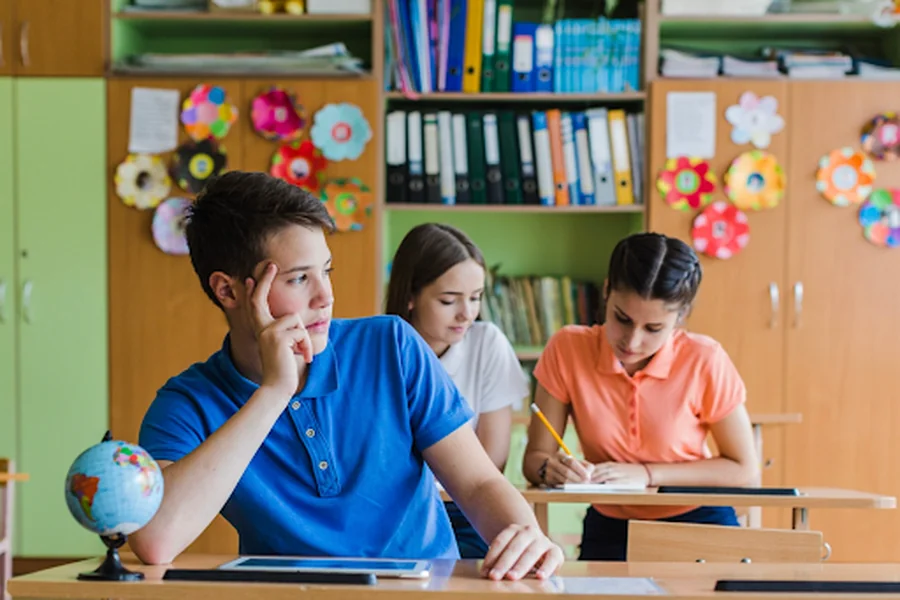
Singapore has built a strong reputation as a place where education receives sustained attention and long-term planning. For many parents, a singapore international school represents an environment where globally recognised curricula and diverse communities come together to support well-rounded development. Families relocating from abroad and local households with international outlooks often look towards international schools as a pathway that balances academic structure with cultural openness. These institutions operate within a city known for order, connectivity, and academic discipline, offering programmes that align with global expectations without losing regional context.
International education in Singapore reflects years of policy planning, private investment, and close ties with recognised academic frameworks from Europe and beyond. Schools attract students from many countries, creating learning environments shaped by shared standards rather than national borders. For families seeking continuity across countries or preparation for overseas universities, Singapore has become a consistent point of reference.
A Structured Yet Open Learning Culture
International schools in Singapore operate within a tightly regulated education system that values consistency and accountability. Academic programmes often follow established frameworks such as the International Baccalaureate, Cambridge IGCSE, or British A-Levels. These programmes provide clear academic progression and recognised qualifications that travel well across borders.
Classroom instruction focuses on clarity, reasoning, and written expression. Lessons tend to balance subject knowledge with discussion and applied tasks. Students learn how to explain ideas, evaluate information, and work through problems with guidance rather than memorisation alone. This approach supports academic confidence across age groups and subject areas.
Schools maintain academic expectations without relying on rigid teaching styles. Assessment methods include coursework, presentations, and examinations, offering students several ways to demonstrate progress. The overall learning culture supports steady development rather than short-term performance.
Multicultural School Communities
International schools in Singapore bring together students from diverse cultural and linguistic backgrounds. Classrooms often include learners from Asia, Europe, the Americas, and other regions. Daily interaction across cultures shapes how students communicate, collaborate, and build social awareness.
Language education plays a central role in this setting. English usually serves as the main language of instruction, supported by mother tongue programmes or additional language options. Students gain exposure to different communication styles, social customs, and viewpoints through daily routines rather than formal lessons alone.
School events often reflect this diversity through cultural celebrations, shared projects, and community activities. These experiences help students build respect for difference through familiarity and participation. Over time, students develop social ease across cultures, a skill valued in higher education and international work settings.
Teaching Practices and Classroom Experience
Teaching approaches in Singapore’s international schools place strong emphasis on engagement and understanding. Educators design lessons that encourage participation, discussion, and reflection. Classrooms favour interaction over passive listening, helping students stay involved in the learning process.
Technology supports teaching without dominating it. Digital platforms assist research, collaboration, and organisation, though core learning still relies on reading, writing, and dialogue. Teachers use technology as a tool rather than a focal point, keeping lessons grounded and accessible.
Creative subjects, sciences, and humanities receive balanced attention. Students explore ideas through experiments, written analysis, and project work. This variety keeps learning active and relevant across different interests and strengths.
Facilities That Support Broad Development
International schools in Singapore often invest heavily in physical learning spaces. Campuses include science laboratories, libraries, performance halls, art rooms, and sports facilities designed to support a wide range of activities. These spaces encourage exploration beyond standard classroom instruction.
Sports and physical education form a regular part of school life. Students participate in team sports, fitness programmes, and outdoor activities that promote health and cooperation. Creative arts receive similar support through music rooms, studios, and performance spaces.
Access to these facilities allows students to discover interests outside academic subjects. Schools encourage participation across disciplines, helping students build confidence through varied experiences rather than narrow specialisation.
Experienced and Diverse Teaching Staff
Teachers in Singapore’s international schools often arrive with professional experience from different education systems. Many have taught in several countries, bringing varied classroom practices and perspectives. This diversity enriches teaching methods and supports students with different learning styles.
Educators focus on guidance and mentorship alongside academic instruction. Teachers work closely with students to track progress, address challenges, and support personal growth. Communication with families forms part of this process, creating shared understanding around student development.
Professional development remains a priority for teaching staff. Schools invest in training and collaboration to maintain teaching quality and consistency across subjects and grade levels.
Preparing Students for International Pathways
International education in Singapore aims to prepare students for future academic and professional settings beyond national boundaries. Graduates often pursue higher education in universities across the United Kingdom, Europe, Australia, and North America. The curriculum supports this progression through recognised qualifications and academic writing standards.
Schools integrate leadership opportunities, group projects, and service activities into student life. These experiences help students develop responsibility, planning skills, and awareness of broader social issues. Students learn how to work within teams and contribute to shared goals.
Career guidance services support older students through subject selection, university applications, and future planning. Counsellors provide structured advice grounded in academic performance and individual interests.
School and Community Relationships
International schools in Singapore often maintain close connections with families and local organisations. Parent involvement forms part of school culture through events, meetings, and collaborative activities. This engagement supports consistent expectations between home and school.
Community service initiatives allow students to engage with social causes through structured programmes. Participation helps students understand social responsibility through action rather than theory. These experiences connect education with real-world contexts.
Schools serve as gathering points for international families, offering stability during periods of relocation or transition. This sense of continuity supports student well-being alongside academic progress.
Singapore’s Place in Global Education
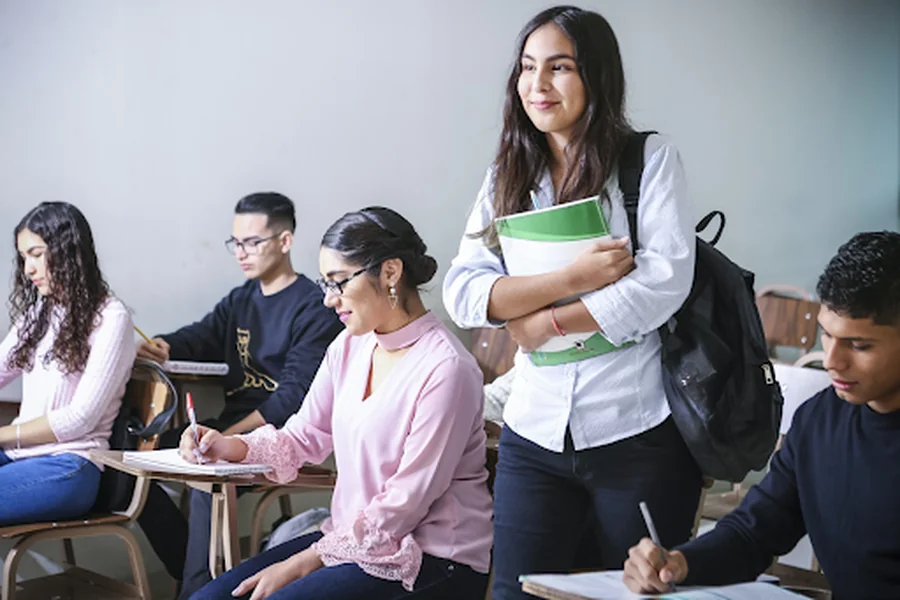
Singapore’s international schools have gained recognition for combining academic structure with cultural openness. Their programmes align with global standards while operating within a stable and well-organised national system. This balance attracts families seeking reliability alongside international exposure.
Graduates leave with qualifications recognised worldwide and experiences shaped by diverse peer groups. They enter higher education with familiarity across cultures and confidence in academic communication. These qualities reflect the broader educational values embedded within Singapore’s international school sector.
Conclusion
International education in Singapore offers more than academic instruction. It provides structured learning environments shaped by global standards, multicultural interaction, and consistent teaching quality. Schools support intellectual growth, social awareness, and personal development through carefully designed programmes and supportive communities. For families seeking education with international continuity and clear academic pathways, Singapore continues to hold lasting appeal.