
Signs You Need Professional Garage Door Repair Services
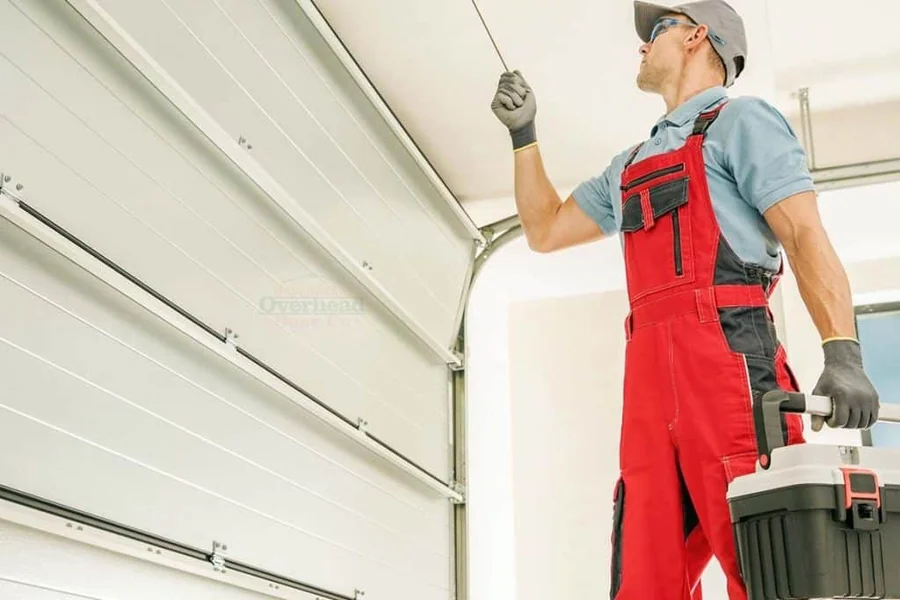
A garage door is one of the largest moving parts in a home, and it operates under constant tension. Springs, cables, rollers, sensors, tracks, and motors must work together smoothly for the door to open and close safely. Because garage doors are used daily, even minor mechanical issues can escalate into serious breakdowns if left unaddressed. Many homeowners notice subtle warning signs—strange noises, uneven movement, delayed response, or a door that feels heavier than normal. These changes may seem minor at first, but they often signal that key components are wearing out or misaligned. Garage doors are also safety-critical. A malfunctioning door can fall unexpectedly, damage vehicles, or trap people inside or outside the home. Knowing the signs that professional repair is needed helps homeowners act early, reduce costs, and prevent sudden failure. When garage door behavior changes, it is usually the system asking for attention.
Repair Signs to Watch
-
Unusual Noises During Operation
One of the earliest signs that a garage door needs professional repair is the appearance of new noise. Grinding, scraping, popping, rattling, or squealing often indicates friction, loose hardware, worn rollers, or track misalignment. These sounds are not normal wear that should be ignored. A garage door moves along a controlled path, and any change in sound usually indicates that components are rubbing or vibrating improperly. For example, a scraping noise can indicate that the track is bent or that the door is shifting sideways during operation. A popping sound can indicate changes in spring tension or hardware shifting under load. Over time, these noises typically worsen because the underlying cause continues to stress the system. Professional repair helps identify whether the issue is with rollers, hinges, brackets, or springs and prevents damage from spreading across multiple components.
-
Door Movement Looks Uneven or Jerky
A garage door should move smoothly and evenly, without sudden stops or hesitation. If the door shakes, moves unevenly, or appears crooked while traveling, this is a strong sign that professional service is needed. Uneven movement may be caused by worn rollers, track obstruction, cable imbalance, or spring failure. When cables are not aligned, one side of the door may lift faster than the other. This can cause the door to bind in the track and increase strain on the opener. If the door continues operating in this condition, it can damage the tracks or pull the hardware loose from the wall. In some situations, homeowners attempt to manually force the door closed, which can worsen misalignment. Repairs should be handled professionally because these systems are under high tension, and incorrect adjustments can create safety hazards.
-
Garage Doors Are Tension Systems
The springs and cables that lift a garage door carry high tension. When warning signs appear, professional repair is important not only for convenience but also to prevent sudden failure or injury.
-
The Door Feels Heavy or Hard to Lift
If a garage door feels heavier than normal, it often means the spring system is failing. Springs are designed to counterbalance the door’s weight, enabling smooth lifting with minimal effort. When springs weaken or fail, the opener struggles, making the door difficult to lift manually. A heavy door should never be ignored because it can fall unexpectedly if the counterbalance system is compromised. This issue also strains the garage door opener motor, which can burn out over time. A door that becomes heavy is one of the clearest signs that professional repair is required. Technicians can safely test spring tension, check cable condition, and restore the counterbalance system without risk to the homeowner.
-
The Opener Works, But the Door Won’t Move
Sometimes the garage door opener activates, but the door does not move, or it only lifts a few inches and stops. This may be caused by broken springs, snapped cables, damaged rollers, or an obstruction in the track. Many homeowners assume the opener motor has failed, but the door system may be preventing movement due to imbalance or resistance. Modern openers include safety sensors that stop if the door feels too heavy or is jammed. In this case, forcing the door can worsen damage. Professional repair is needed to inspect the full lifting system. In many cases, the opener itself is fine, but the door components are preventing proper movement.
-
Remote and Sensor Issues That Signal Repair Needs
Garage doors rely heavily on sensors and electronic controls. If the door reverses unexpectedly, closes halfway, then opens again, or refuses to close unless the wall button is held, the safety sensors may be misaligned or dirty. Electrical connection issues, worn wiring, or sensor vibration can also cause inconsistent behavior. While cleaning the sensor lenses may help, recurring issues suggest a deeper alignment issue or component failure. Professionals can test sensor positioning, check wiring integrity, and confirm the opener’s force settings are safe. Sensor issues matter because they can prevent the door from closing securely or cause unpredictable movement, posing a safety risk to children, pets, and vehicles.
-
Visible Wear on Rollers, Tracks, and Cables
Visible wear is another clear sign that repairs are needed. Frayed cables, rusty springs, cracked rollers, or bent tracks should not be ignored. Cables support door lifting and are under high tension. If a cable snaps, the door can drop suddenly or twist out of alignment. Worn or cracked rollers can cause the door to drag and stress the opener. Bent tracks can force the door to rub or jam. Even small track dents can disrupt movement. Homeowners should avoid adjusting cables or springs themselves, because these repairs require proper tools and safety knowledge. This is also where working with a garage door supplier can be helpful, as quality replacement parts are essential for long-term performance and safe operation.
Slow Response or Delay in Operation
A garage door that becomes slow to respond may indicate motor strain, control issues, or mechanical resistance. If the opener takes longer to start, the door hesitates before moving, or movement speed changes during travel, something may be interfering with smooth operation. This could be worn gears, improper lubrication, track resistance, or spring tension imbalance. Delays should be addressed early, as slow operations can be a precursor to failure. A professional inspection helps determine whether the issue is with the opener system or the door mechanics. Fixing the cause early prevents the opener from failing and protects the overall door system.
Early Repair Protects Safety and Saves Cost
Professional garage door repair services are needed when warning signs appear, such as unusual noises, jerky movement, heavy lifting, sensor problems, and visible wear on cables or tracks. These issues rarely improve on their own and often worsen with daily use. Because garage door systems operate under high tension, professional repair protects homeowners from injury and prevents sudden breakdown. Acting early keeps the door safe, smooth, and reliable while reducing long-term repair costs.