
Most Popular Products in the USA That Millennials Prefer
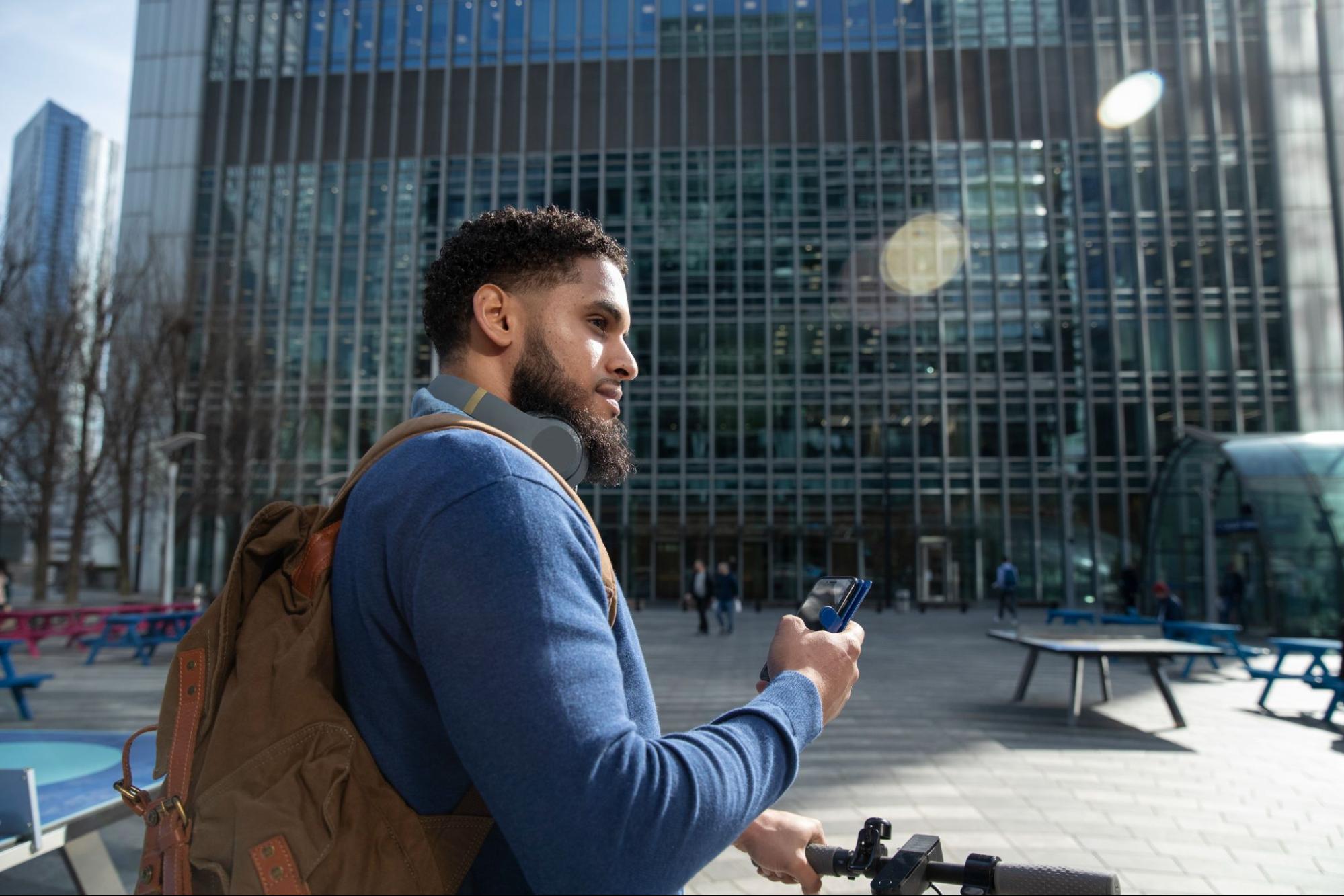
Millennials—typically defined as those born between 1981 and 1996—represent one of the most influential consumer groups in the United States. Shaped by rapid technological change, the rise of the internet, and the shift toward digital lifestyles, their purchasing decisions differ significantly from previous generations. Rather than focusing purely on ownership or brand tradition, millennials tend to prioritize convenience, digital integration, affordability, sustainability, and lifestyle alignment. As a result, the most popular products among millennials span technology, entertainment, fashion, wellness, and transportation.
1. Smartphones and Smart Devices
At the center of millennial life is the smartphone, and one of the most dominant brands in this space is Apple. The iPhone remains a leading device in the U.S. market due to its seamless ecosystem, strong security features, and long-term software support. Millennials especially value how well it integrates with other Apple products such as MacBooks, iPads, and AirPods, creating a unified digital experience.
Wearable technology, particularly the Apple Watch, has also become highly popular among millennials. It blends communication tools with fitness tracking, heart monitoring, and productivity features, reflecting a broader trend toward health-conscious and efficiency-driven lifestyles.
2. Streaming Services and Digital Entertainment
Millennials have played a major role in the decline of traditional cable television and the rise of streaming platforms. Netflix remains one of the most popular services, known for its original programming and binge-friendly content model, which has reshaped viewing habits.
In music and audio entertainment, Spotify dominates millennial preferences. Its personalized playlists, algorithm-driven recommendations, and podcast ecosystem make it highly aligned with digital-native consumption habits.
Additionally, Amazon has expanded its entertainment reach through Prime Video and bundled subscription services. The appeal of Amazon lies in its ecosystem approach, combining shopping, streaming, and fast delivery into one membership.
3. Fashion and Athleisure
Millennials have significantly influenced the growth of athleisure, where comfort and style intersect. Nike remains a dominant force in this category, offering footwear and apparel that blend performance, fashion, and cultural relevance. Sneakers and casual sportswear have become everyday staples rather than just athletic gear.
Another highly popular brand is Lululemon Athletica, which has built a strong identity around yoga, fitness, and wellness culture. Its premium leggings and activewear are widely associated with both comfort and lifestyle branding.
Adidas continues to maintain strong millennial appeal, particularly through collaborations with designers, influencers, and celebrities, merging sports performance with streetwear fashion.
4. Food and Beverage Trends
Millennials are known for their preference for convenience, health-conscious options, and aesthetic branding—even in food and drinks. One standout product is sparkling water brands like LaCroix, which gained popularity as millennials moved away from sugary sodas toward healthier alternatives.
Coffee culture also plays a major role in daily routines. Chains like Starbucks dominate this space by offering customizable beverages, mobile ordering, and a consistent “third place” experience between home and work. Its app-based rewards system has also helped strengthen customer loyalty among younger consumers.
In addition to these trends, some millennials also engage with vape products as part of broader lifestyle consumption patterns.
Meal delivery services and ready-to-eat grocery kits have also surged in popularity, reflecting a shift toward convenience, time efficiency, and reduced reliance on traditional home cooking.
5. Beauty, Skincare, and Self-Care
The beauty industry has been reshaped by millennial preferences, particularly a shift toward skincare-focused routines rather than heavy makeup. Brands like CeraVe and The Ordinary have gained popularity due to their simple formulations, transparency, and dermatologist-backed reputations.
Self-care culture has also driven demand for wellness-oriented products such as facial masks, serums, aromatherapy items, and at-home spa tools. Social media platforms like Instagram and TikTok have further amplified these trends by spreading skincare routines and product recommendations rapidly across audiences.
6. Home, Lifestyle, and Smart Technology
Millennials are increasingly investing in home comfort and efficiency, especially as remote work becomes more common. High-end home technology brands like Dyson have become especially popular due to their emphasis on design, performance, and durability. Their vacuums, air purifiers, and hair styling tools are widely used in millennial households.
Smart home devices are also a growing category. Products such as voice assistants, smart lighting systems, and automated thermostats reflect a preference for convenience, energy efficiency, and digital control over living environments.
7. Electric Vehicles and Sustainable Transport
Sustainability plays a major role in millennial purchasing decisions, particularly in transportation. The Tesla Model 3 has become one of the most popular electric vehicles in the United States. It appeals to millennials due to its combination of performance, modern design, advanced technology features, and environmental benefits.
Beyond electric cars, millennials are also increasingly adopting hybrid vehicles, bike-sharing services, and app-based urban mobility solutions that reduce dependence on traditional car ownership.
8. Subscription Economy and Access-Based Consumption
One of the most defining features of millennial consumer behavior is the preference for subscriptions over ownership. Instead of purchasing physical media or long-term assets, millennials often opt for services that provide flexible access. This includes streaming platforms, software subscriptions, cloud storage, and curated delivery services.
This shift reflects a broader cultural preference for flexibility, lower upfront costs, and continuous updates rather than static ownership. It also aligns with the digital-first mindset that defines much of millennial consumption behavior.
Millennial consumer preferences in the United States reflect a generation shaped by technology, convenience, and evolving cultural values. From smartphones and streaming platforms to athleisure fashion and electric vehicles, their choices emphasize functionality, identity, and digital integration.
Companies like Apple, Netflix, Spotify, Nike, and Tesla Model 3 have become central to this consumer landscape by aligning their products with millennial expectations. As this generation continues to age into peak earning power, their influence on product trends and market innovation is expected to remain strong for years to come.