
How do Plumbers Rebuild Plumbing Systems After Water Damage?
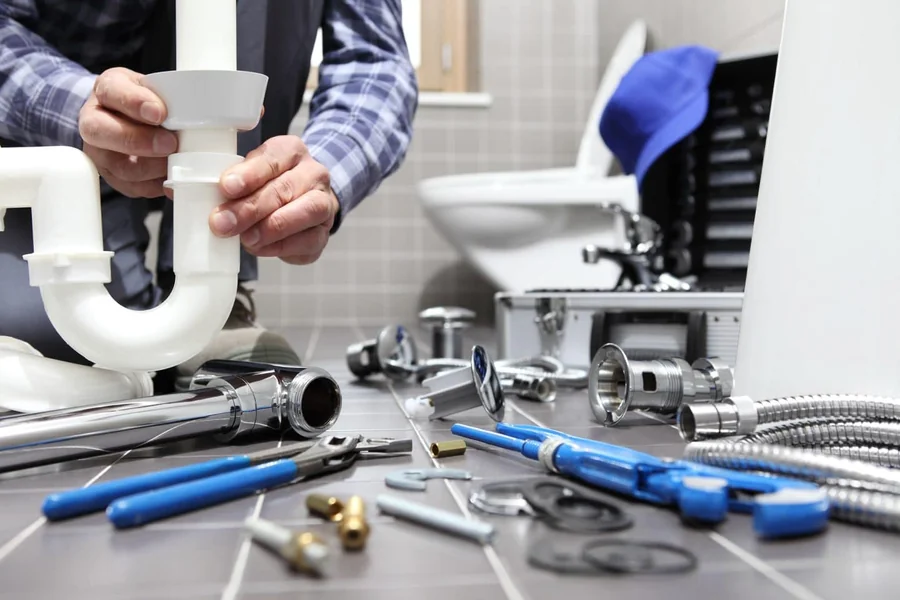
Water damage can disrupt a home in ways that are both immediate and long-lasting. Beyond visible flooding or soaked materials, plumbing systems often suffer hidden impacts that compromise performance and reliability. Pipes may shift, fittings can weaken, and contamination risks increase when water moves where it should not. Plumbers play a central role in restoring these systems after water damage, focusing on safety, functionality, and long-term stability. Their work goes beyond drying and patching by addressing how water damage alters system behavior. Understanding how plumbers rebuild plumbing systems after water damage helps homeowners appreciate the careful process required to return normal operation and prevent recurring issues.
From Damage to Diagnosis
-
Assessing the Extent of Plumbing Impact
The first step plumbers take after water damage is to determine the extent of the plumbing system’s damage. Water may enter walls, floors, or ceilings, reaching pipes that are not immediately visible. Plumbers inspect supply and drain lines for signs of corrosion, misalignment, or compromised joints caused by prolonged exposure to moisture. Pressure testing and visual inspection help identify weak points that could fail later if left unaddressed. In many restoration projects supported by Ring The Bell Plumbing, Heating & Drains, early assessment reveals that damage extends beyond the original leak or flood source. This careful diagnosis ensures that repairs address the full scope of impact rather than isolated symptoms, reducing the risk of future failures.
-
Isolating and Stabilizing the System
Once damage is identified, plumbers focus on stabilizing the plumbing system to prevent further harm. This may involve shutting off affected sections, draining residual water, and relieving pressure from compromised lines. Stabilization allows plumbers to work safely while preventing additional leaks or contamination. During this stage, plumbers also protect unaffected areas of the system, ensuring that restoration efforts do not disrupt functioning components. By isolating damage, plumbers create a controlled environment for repair, which is essential for restoring system integrity without introducing new problems.
-
Managing Contamination and Water Quality Risks
Water damage often introduces contaminants into plumbing systems, especially when flooding involves drain backups or external water sources. Plumbers evaluate whether supply lines, fixtures, or drains have been exposed to contamination. They may flush systems, disinfect affected components, or replace materials that cannot be safely cleaned. This process protects water quality and mitigates health risks associated with plumbing failures. Addressing contamination early ensures that restored systems deliver clean, safe water and function as intended without lingering concerns.
-
Repairing and Replacing Compromised Components
After stabilization, plumbers repair or replace components damaged by water exposure. Pipes that have corroded, cracked, or shifted are removed and replaced with materials suited to the environment. Plumbers ensure that new components integrate smoothly with existing systems, maintaining consistent flow and pressure. This step is not limited to visible damage; plumbers often replace sections that appear intact but have been weakened internally. By addressing both obvious and hidden issues, plumbers rebuild systems that are structurally sound and prepared for long-term use.
-
Restoring Drainage and Flow Balance
Water damage can disrupt drainage patterns by causing blockages, sediment buildup, or misaligned pipes. Plumbers restore proper drainage by clearing debris, realigning pipes, and verifying slope and venting. Balanced drainage prevents water from lingering in pipes, which can accelerate corrosion or cause backups. Restoring flow balance is essential to ensure repaired systems operate quietly and efficiently. Plumbers test fixtures and drains to confirm that water moves predictably through the system, signaling successful restoration.
-
Reinforcing Joints and Connections
Joints and connections are particularly vulnerable to water damage. Shifting structures and prolonged moisture exposure can loosen fittings or weaken seals. Plumbers reinforce these areas using appropriate techniques and materials to ensure long-term stability. Secure connections prevent future leaks and reduce stress on adjacent components. By reinforcing joints during restoration, plumbers strengthen the overall system rather than simply addressing isolated failures.
-
Coordinating With Structural Restoration
Plumbing restoration often overlaps with structural repairs. Plumbers coordinate with contractors handling drying, flooring, or wall restoration to ensure plumbing components are protected and accessible. This coordination prevents conflicts between trades and ensures that plumbing repairs align with broader restoration timelines. By working collaboratively, plumbers help create a seamless recovery process that restores both structure and function without repeated disruption.
-
Testing System Performance After Repairs
Once repairs are complete, plumbers thoroughly test the system. Pressure tests, flow checks, and fixture operation assessments confirm that repairs were successful. Testing ensures that restored systems perform reliably under normal conditions. Plumbers observe how the system responds to sustained use and identify any remaining issues that require adjustment. This verification step provides confidence that the plumbing system has been restored properly and is ready for regular operation.
-
Preventive Adjustments for Future Protection
Plumbers often recommend restoration adjustments that reduce the risk of future water damage. These may include improving pipe supports, adjusting pressure regulation, or enhancing drainage pathways. While restoration focuses on repairing damage, these preventive measures strengthen system resilience. Plumbers use the restoration opportunity to correct vulnerabilities exposed by the damage, helping homeowners avoid repeat incidents.
-
Long-Term Monitoring and Maintenance
Restored plumbing systems benefit from ongoing monitoring, especially after significant water damage. Plumbers advise homeowners on signs to watch for and recommend follow-up inspections to ensure repairs remain effective. This continued attention supports long-term reliability and helps identify gradual issues before they escalate. Maintenance following restoration ensures that the system remains stable as materials settle and conditions normalize.
Restoring Confidence After Water Damage
Plumbers restore plumbing systems after water damage through careful assessment, stabilization, repair, and testing. Their work addresses not only visible damage but also hidden vulnerabilities that could compromise future performance. By managing contamination risks, reinforcing connections, and restoring balanced flow, plumbers rebuild systems that are safe and dependable. Understanding this process highlights why plumbing restoration is a comprehensive effort rather than a quick fix. When systems are restored thoughtfully, homeowners regain confidence in their plumbing and reduce the likelihood of recurring problems long after the water has receded.