
How do HVAC Contractors Balance Comfort and Energy Use in Modern Buildings?
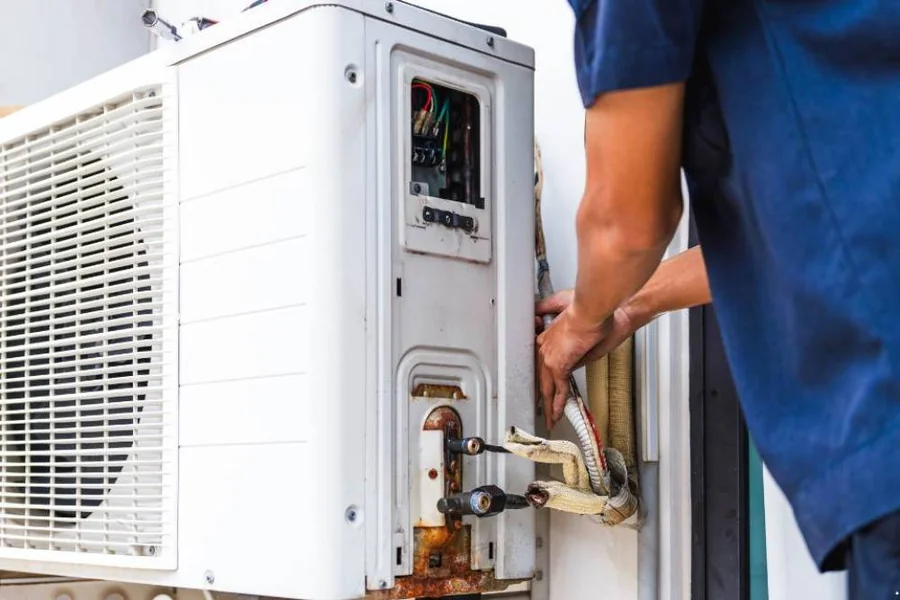
Maintaining indoor comfort without excessive energy consumption is a constant challenge for homes and commercial spaces. Heating and cooling systems must respond to changing weather, occupancy patterns, and building layouts, while keeping energy use within acceptable limits. HVAC contractors focus on achieving this balance by fine-tuning system operation rather than simply increasing output. Comfort and efficiency are closely connected, and when one is neglected, the other often suffers. Understanding how HVAC contractors balance comfort and energy use helps property owners appreciate why thoughtful system adjustments, monitoring, and planning are essential for stable indoor conditions and manageable operating costs over time.
Finding the Right Balance
Balancing comfort and energy use requires careful coordination between system design, operation, and real-world conditions. HVAC contractors evaluate how air is delivered, how systems respond to demand, and how energy is consumed across different zones. This approach ensures comfort is achieved without unnecessary energy waste.
-
Evaluating Indoor Comfort Needs
Comfort is not a single setting but a combination of temperature consistency, airflow, and humidity control. HVAC contractors begin by evaluating how occupants experience indoor conditions throughout the space. Uneven temperatures, drafts, or stale air often indicate that systems are working harder than necessary. Contractors analyze usage patterns, room layouts, and exposure to external heat or cold. In areas served by an HVAC contractor in Quincy, MA, seasonal changes can significantly affect comfort needs, requiring adjustments that account for both cold winters and humid summers. By understanding where comfort gaps exist, contractors can target solutions that improve conditions without increasing overall energy demand.
-
Optimizing System Operation
Rather than pushing systems to run longer or harder, HVAC contractors focus on optimizing operation. This includes adjusting run times, calibrating controls, and ensuring that heating or cooling output matches actual demand. Systems that run continuously at high capacity often consume excessive energy while still failing to deliver consistent comfort. Optimized operation allows systems to respond efficiently, maintaining comfort while minimizing energy spikes. Contractors carefully adjust settings so systems cycle appropriately and maintain stable conditions, rather than reacting aggressively to short-term changes.
-
Comfort Through Balance
True comfort is achieved when systems operate smoothly and predictably. Balanced systems avoid extreme temperature swings and reduce the need for constant adjustments. By stabilizing operations, HVAC contractors help create comfortable environments that also support lower energy use.
-
Managing Airflow and Distribution
Airflow plays a major role in both comfort and energy efficiency. Poor distribution forces systems to compensate by increasing output, which raises energy consumption without resolving comfort issues. HVAC contractors assess duct layouts, vents, and returns to ensure air is distributed evenly throughout the space. When airflow is balanced, spaces heat or cool uniformly, reducing the need for excessive runtime. Improved distribution allows systems to operate at lower intensity while still meeting comfort expectations. This approach supports energy efficiency by eliminating overuse caused by uneven air delivery.
-
Adjusting Controls and Settings
Controls are central to balancing comfort and energy use. Thermostats, sensors, and zoning controls determine how systems respond to changes in temperature and occupancy. HVAC contractors adjust these controls to reflect actual usage patterns rather than default settings. Proper calibration prevents systems from running unnecessarily when spaces are unoccupied or when conditions are already comfortable. Contractors also ensure that controls communicate accurately with system components, reducing delays or overcorrection. Fine-tuned controls help maintain comfort while keeping energy consumption aligned with real needs.
-
Addressing Seasonal Variations
Seasonal changes place different demands on HVAC systems. What works during mild weather may become inefficient during extreme temperatures. HVAC contractors anticipate these variations by adjusting system behavior ahead of seasonal shifts. This preparation helps systems transition smoothly without overcompensation. Seasonal adjustments maintain comfort during peak demand while preventing excessive energy use. By planning for changing conditions, contractors ensure that systems remain balanced throughout the year rather than reacting inefficiently to sudden temperature changes.
-
Monitoring System Performance
Balancing comfort and energy use is an ongoing process, not a one-time adjustment. HVAC contractors monitor system performance over time to identify patterns that affect efficiency or comfort. Feedback from occupants, utility usage trends, and system data all contribute to this evaluation. Continuous monitoring allows contractors to refine settings and address emerging issues before they escalate. This proactive approach maintains balance as conditions evolve, ensuring long-term performance rather than short-term fixes.
-
Supporting Long-Term Efficiency
Systems that balance comfort and energy use tend to experience less wear and more predictable operation. HVAC contractors support this efficiency by addressing small issues early and maintaining system harmony. Balanced systems reduce strain on components, lowering the risk of breakdowns and extending service life. Over time, this approach delivers consistent comfort without escalating energy costs, benefiting both occupants and property owners.
Balancing comfort and energy use requires thoughtful system evaluation, precise adjustments, and ongoing attention. HVAC contractors achieve this balance by optimizing operation, improving airflow, fine-tuning controls, and adapting to seasonal changes. Rather than relying on higher output, they focus on efficiency and stability to deliver consistent indoor comfort. Understanding this process underscores why professional HVAC support is vital to maintaining comfortable spaces while keeping energy consumption under control over the long term.