
How do Electricians Ensure Safe and Reliable Lighting Installations?
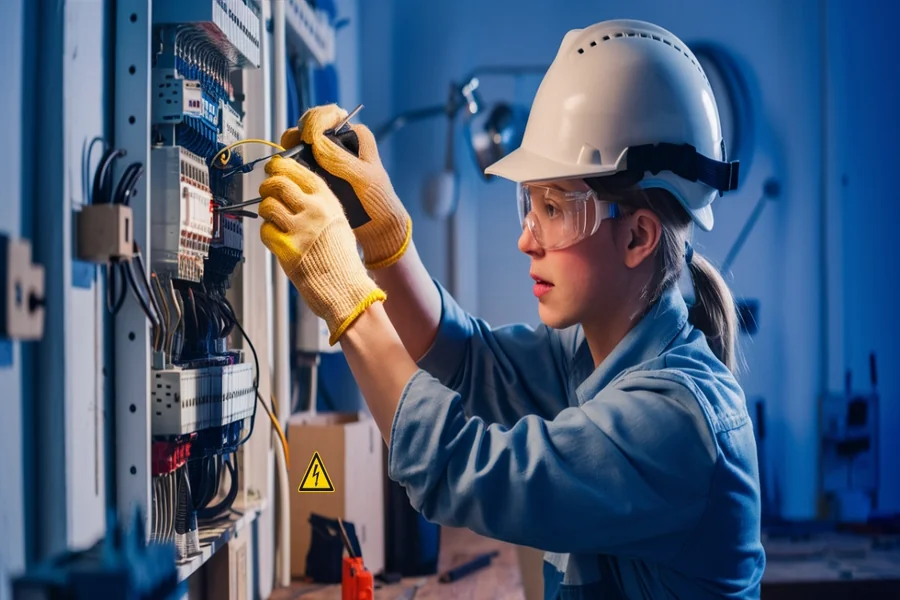
Lighting systems affect how homes and buildings function every day, influencing visibility, comfort, and overall safety. While lighting may appear simple on the surface, proper installation requires careful planning and attention to electrical principles. Electricians approach lighting installation as a process that balances design intent with safety requirements. From understanding load capacity to securing proper connections, every step matters. Safe lighting installation is not just about making lights turn on; it is about ensuring systems operate reliably without creating hazards over time. Understanding how electricians install lighting systems safely helps explain why professional methods protect both people and property.
Safety Before Switching On
-
Evaluating Electrical Capacity and Circuit Demand
Before installing any lighting system, electricians evaluate the existing electrical capacity to ensure circuits can support new fixtures. Lighting adds load to a system, and improperly distributed demand can lead to overheating or frequent breaker trips. Electricians calculate the power draw of the new lighting and compare it to the circuit limits. In projects handled by JDV Electric, electricians often find that assessing circuit demand early prevents the need for later corrections or rushed fixes. By matching lighting plans to electrical capacity, they create systems that operate smoothly without stressing wiring or components. This evaluation step ensures safety begins long before fixtures are mounted or wires are connected.
-
Selecting Proper Wiring and Materials
The safety of a lighting system depends heavily on the materials used. Electricians choose wiring that matches the electrical load, environment, and installation location. Factors such as insulation type, wire gauge, and heat resistance influence long-term performance. Using undersized or incompatible wiring increases the risk of overheating and failure. Electricians also select appropriate junction boxes, connectors, and mounting hardware to securely install components. These material choices are guided by electrical standards and practical experience, ensuring that lighting systems remain stable under regular use and environmental changes.
-
Secure Connections and Proper Termination
Electrical connections are a common source of lighting issues when not handled correctly. Electricians take care to make secure, well-terminated connections that maintain consistent contact over time. Loose connections can cause flickering, arcing, or heat buildup inside fixtures or boxes. Electricians carefully strip wires, use approved connectors, and ensure proper torque when fastening terminals. This attention to connection quality reduces the risk of gradual degradation that can occur long after installation. Secure termination is a fundamental practice that supports both immediate functionality and long-term safety.
-
Grounding and System Protection
Grounding plays a critical role in lighting safety by providing a controlled path for fault current. Electricians ensure that fixtures, boxes, and circuits are properly grounded in accordance with electrical requirements. This protection helps prevent shock hazards if a fault occurs within a fixture or wiring. Electricians also verify bonding between metal components to maintain consistent grounding throughout the system. Proper grounding reduces the likelihood of electrical incidents and protects both occupants and equipment. This step is especially important in areas with moisture or metal fixtures, where grounding integrity directly affects safety.
-
Placement and Heat Management
Lighting fixtures generate heat, and improper placement can create safety concerns over time. Electricians consider how fixtures interact with surrounding materials, ensuring adequate clearance from insulation, wood, or other heat-sensitive surfaces. Recessed lighting, in particular, requires careful evaluation to prevent heat buildup within ceilings or walls. Electricians follow manufacturer guidelines and installation standards to manage heat effectively. Proper placement supports fixture longevity and reduces the risk of damage or fire caused by trapped heat. This consideration highlights how safety extends beyond wiring to include physical positioning.
-
Switching, Controls, and User Interaction
Lighting systems include switches, dimmers, and controls that influence how electricity flows. Electricians install these components with attention to compatibility and load ratings. Incorrectly matched controls can overheat or fail prematurely. Electricians also ensure switches are positioned safely and function intuitively for occupants. Proper control installation prevents accidental misuse and supports reliable operation. By aligning controls with fixture requirements, electricians reduce stress on components and create lighting systems that respond predictably to user input.
-
Testing and Verification
After installation, electricians test lighting systems to confirm proper operation and safety. They verify that fixtures illuminate as intended, controls function correctly, and circuits remain stable under load. Testing may include checking voltage, confirming grounding continuity, and observing system behavior during initial operation. This verification step ensures that any issues are identified immediately rather than after prolonged use. Electricians rely on testing to confirm that installation practices achieve their intended safety outcomes.
-
Maintenance Considerations During Installation
Electricians also consider future maintenance when installing lighting systems. They ensure that fixtures and junction boxes remain accessible for inspection or replacement. Clear labeling and organized wiring support easier troubleshooting later. By anticipating maintenance needs, electricians help preserve safety throughout the system’s lifespan. This foresight reduces the likelihood of unsafe modifications made during future repairs or upgrades.
-
Adapting Installations to Different Environments
Different environments require tailored safety approaches. Outdoor lighting, damp locations, and commercial spaces present unique challenges. Electricians adjust installation methods based on exposure to moisture, temperature changes, and usage patterns. Weather-resistant materials, sealed connections, and proper enclosures help protect systems in demanding conditions. This adaptability ensures that lighting remains safe regardless of installation location.
Safety as the Foundation of Lighting Systems
Safe lighting installation is a structured process built on evaluation, precision, and verification. Electricians protect occupants by assessing electrical capacity, selecting appropriate materials, securing connections, and managing heat and grounding. Each step contributes to systems that function reliably without hidden risks. Understanding how electricians install lighting systems safely highlights why professional methods matter long after lights are switched on. When lighting is installed with safety at the forefront, it supports visibility, comfort, and confidence while protecting homes and buildings for years to come.