
Hidden Layers of History: Destinations That Offer Surprisingly Deep Historical Experiences
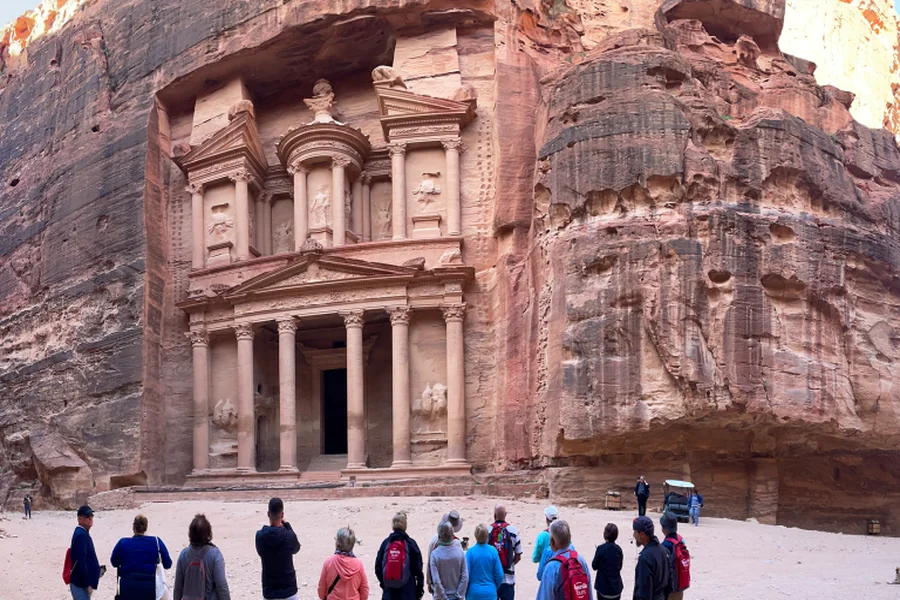
Some destinations are best known for scenery, food, or nightlife—but beneath the surface, they hold centuries of layered history that often surprises visitors. Empires have risen and fallen in these places, trade routes have shifted their importance, and local cultures have absorbed and adapted through conquest, migration, and exchange. The result is a kind of living archive, where history is not confined to museums but embedded in streets, buildings, and everyday life.
Below are destinations where history reveals itself gradually, rewarding those who look beyond the obvious.
Istanbul, Türkiye: Where Empires Still Feel Present
Istanbul stands as one of the clearest examples of layered civilization. Once Constantinople, it served as the capital of both the Byzantine and Ottoman Empires, and traces of both remain visible across the city.
Hagia Sophia reflects this dual identity, having shifted between cathedral, mosque, and cultural monument over its long life. Nearby, the Blue Mosque and Topkapi Palace show the architectural and political grandeur of Ottoman rule.
But the deeper experience comes from wandering beyond the monuments. In districts like Fener and Balat, narrow streets reveal centuries of Greek Orthodox, Jewish, and Ottoman heritage through layered architecture and lived-in neighbourhoods. Even crossing the Bosphorus by ferry feels symbolic—moving between continents and historical eras at once.
Oaxaca, Mexico: Indigenous Depth Beneath Colonial Beauty
Oaxaca is often celebrated for cuisine and festivals, but its historical significance runs far deeper. The region was home to the Zapotec and Mixtec civilizations long before Spanish colonization.
Monte Albán, just outside the city, reveals this ancient world through pyramids, terraces, and carved stone monuments that overlook the valley from a mountaintop plateau. It is one of the earliest urban centers in the Americas, dating back more than two millennia.
In Oaxaca City itself, Spanish colonial churches and plazas were built atop indigenous foundations, creating a visible blend of two worlds. Markets still reflect pre-Hispanic traditions, from ingredients used in cooking to weaving techniques passed down through generations.
Sarajevo, Bosnia and Herzegovina: A City That Encodes European History
Sarajevo is often described as a city where multiple historical timelines coexist within walking distance. Ottoman, Austro-Hungarian, and modern European influences all shape its identity.
The Baščaršija district preserves Ottoman-era architecture with mosques, bazaars, and artisan workshops. A short walk away, Austro-Hungarian buildings introduce a completely different architectural rhythm.
The city also holds pivotal modern historical significance. The Latin Bridge marks the assassination of Archduke Franz Ferdinand in 1914, an event that helped trigger World War I. More recent history is visible in subtle reminders of the 1990s siege, including shell-marked pavements known as “Sarajevo Roses.”
Kyoto, Japan: Quiet Continuity of a Former Capital
Kyoto was Japan’s imperial capital for over a thousand years, and its historical depth is preserved not through dramatic ruins but through continuity.
Temples such as Kinkaku-ji and Ryoan-ji preserve centuries-old aesthetics and spiritual traditions. The thousands of torii gates at Fushimi Inari Shrine form pathways that have been walked for generations, maintaining religious practices that stretch back centuries.
What makes Kyoto historically rich is its subtlety. Tea ceremonies, traditional crafts, and geisha districts such as Gion maintain cultural practices that have survived modernization, offering a rare sense of uninterrupted cultural memory.
Fez, Morocco: A Medieval City That Still Functions
Fez is one of the oldest continuously inhabited medieval cities in the world, and its historic medina remains fully alive rather than preserved behind glass.
Within its labyrinth of narrow streets, daily life continues much as it has for centuries. Donkeys still transport goods, artisans work in traditional workshops, and markets operate using long-established trade systems.
The University of Al Quaraouiyine, founded in 859 AD, is often regarded as one of the oldest universities in the world. Nearby, the famous tanneries still process leather using ancient techniques, creating a direct link between past and present craftsmanship.
Cusco, Peru: Where Empires Overlap
Cusco, once the capital of the Inca Empire, is one of the most striking examples of cultural layering in South America. The Spanish built colonial churches and buildings directly atop Inca stone foundations, many of which remain visible today.
The precision of Inca stonework can still be seen in structures that have survived earthquakes for centuries. The Qorikancha temple, once the most important Inca religious site, now partially forms the base of the Santo Domingo Church.
Beyond the city, the Sacred Valley extends this historical narrative with agricultural terraces, fortresses, and ceremonial sites that demonstrate the sophistication of Inca engineering and cosmology.
Puerto Rico: A Caribbean Crossroads of Empires and Resistance
Puerto Rico often surprises travelers with the depth and complexity of its history. While today it is known for its beaches, music, and vibrant culture, it is also a place shaped by centuries of colonial competition, cultural blending, and resilience.
Old San Juan is one of the best-preserved colonial districts in the Americas. Its blue cobblestone streets and massive forts, such as El Morro and San Cristóbal, reflect centuries of Spanish military strategy designed to protect the island from rival European powers and pirates. Walking along its walls offers a direct connection to the island’s strategic importance in the Caribbean trade network.
Yet Puerto Rico’s history is not only colonial. Long before European arrival, the Taíno people shaped the island’s identity, leaving behind petroglyphs and cultural influences that still echo in language, food, and symbolism today. Later, African heritage brought through the transatlantic slave trade became deeply woven into music, religion, and cultural traditions, forming a complex identity that continues to evolve.
For travelers who want to experience this historical depth alongside a more intimate stay, Dreamers Welcome offers thoughtfully designed accommodations that place visitors close to San Juan’s historic core while reflecting the island’s creative and cultural character. You can explore more at Dreamers Welcome, making it easier to connect with Puerto Rico’s heritage beyond the typical resort experience.
Even outside the capital, history is visible in coffee plantations in the central mountains and in small coastal towns where Spanish, Indigenous, and African influences blend seamlessly. Puerto Rico is not a frozen historical site—it is a living intersection of multiple worlds.
Cairo, Egypt: Civilizations Layered Across Millennia
Cairo extends far beyond the pyramids. It is a city where ancient, medieval, and modern histories coexist in dense proximity.
Islamic Cairo contains centuries-old mosques, schools, and markets that reflect its role as a major center of learning and trade, while Coptic Cairo preserves some of the earliest Christian communities in the world. The Khan el-Khalili bazaar continues a trading tradition that stretches back hundreds of years.
At the city’s edge, the Pyramids of Giza remain one of the most iconic remnants of ancient civilization, linking modern life with one of humanity’s earliest architectural achievements.
What makes these destinations remarkable is not just their age, but their layering. They are places where history does not sit still—it overlaps, adapts, and continues to shape everyday life.
From Istanbul’s imperial crossroads to Fez’s working medieval streets, from Sarajevo’s compressed European timelines to Puerto Rico’s blend of Indigenous, African, and colonial histories, these destinations offer more than sightseeing. They offer perspective on how deeply the past continues to influence the present, often in ways that are only revealed when you slow down and look closely.