
Durability vs. Luxury Bathroom Remodeling: What Massachusetts Homeowners Actually Choose
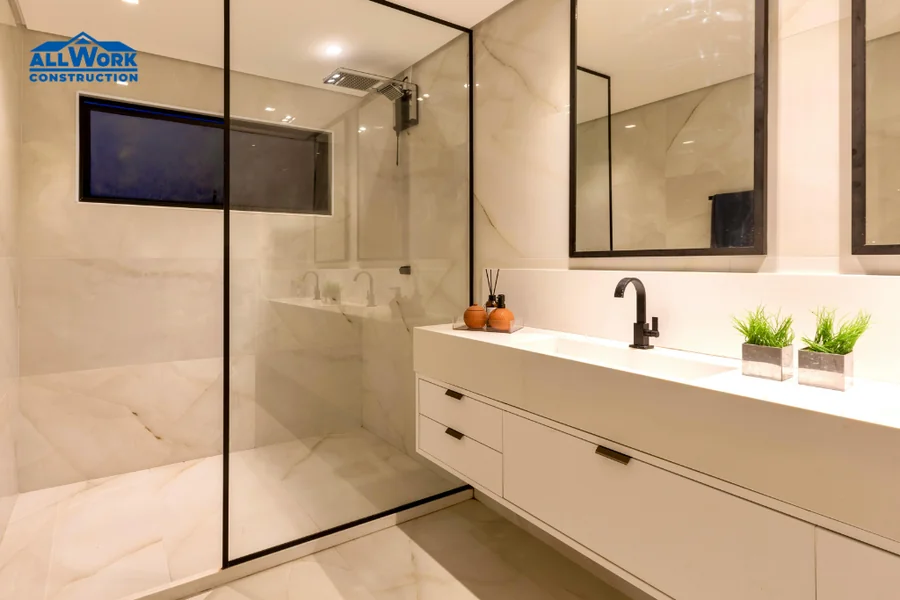
Scroll through design magazines or home renovation shows, and one message feels consistent. Luxury sells.
Freestanding soaking tubs. Imported marble. Statement lighting. Custom millwork with intricate detail.
Yet when Massachusetts homeowners actually move forward with bathroom remodeling projects, their decisions often tell a different story.
Luxury attracts attention. Durability earns commitment.
Understanding why helps explain how real remodeling choices are made across the state.
The Climate Factor in Massachusetts
Massachusetts homes experience real seasonal contrast. Humid summers. Long winters. Temperature fluctuations that expand and contract materials.
Bathrooms are already moisture-heavy environments. Add climate variation, and durability becomes more than a preference. It becomes a necessity.
Natural marble may look impressive, but it requires maintenance. Some high-gloss finishes show wear quickly in high-use households. Certain trendy materials do not perform well under constant humidity.
Many homeowners prioritize surfaces that resist moisture, tolerate temperature shifts, and require less upkeep.
Luxury features are attractive. Longevity feels safer.
Daily Use Drives Decision Making
Most bathroom remodeling decisions are shaped by routine rather than aesthetics.
- How many people use the space?
- How often is it cleaned?
- How much storage is required?
- Will children use this bathroom?
A spa-inspired bathroom looks beautiful in a staged photograph. But if it demands constant maintenance or lacks functional storage, its appeal fades quickly.
Massachusetts homeowners often lean toward practical improvements. Durable tile that hides minor wear. Quartz countertops that resist staining. Quality plumbing fixtures with long manufacturer support.
These decisions reflect long-term thinking rather than short-term visual impact.
Maintenance Matters More Than People Admit
Luxury materials are not inherently problematic. The issue is maintenance.
Natural stone requires sealing. High-end finishes can show water spots. Custom cabinetry demands careful care.
For many households, especially in older Massachusetts homes, simplicity is valued.
Bathroom remodeling projects frequently emphasize materials that clean easily and age gracefully. Porcelain tile instead of delicate stone. Solid surface counters instead of porous slabs.
It is not about rejecting luxury. It is about balancing beauty with practicality.
Infrastructure Comes First
Another factor shaping remodeling choices is the condition of older homes.
In many Massachusetts properties, bathroom remodeling involves addressing plumbing, ventilation, and electrical systems that have aged over decades.
When infrastructure upgrades are required, budgets shift.
Homeowners may initially envision high-end finishes, but once plumbing relocation or electrical modernization enters the conversation, priorities adjust.
Durability often becomes the guiding principle. Solid waterproofing. Reliable exhaust systems. Updated wiring.
Long-term reliability tends to outrank decorative upgrades when structural improvements are necessary.
Storage Over Statement Pieces
Luxury design often emphasizes open layouts and dramatic features. Floating vanities. Frameless glass walls. Minimalist shelving.
In real homes, storage frequently takes precedence.
Massachusetts homeowners commonly request integrated storage solutions. Deep drawers. Recessed shelving. Functional linen cabinets.
These elements may not photograph dramatically, but they improve daily comfort.
Bathroom remodeling is not only about visual appeal. It is about reducing friction in everyday routines.
Resale Considerations Influence Choices
Even homeowners who plan to stay long-term consider resale value.
Highly personalized luxury features can limit appeal to future buyers. Durable finishes with neutral styling attract broader interest.
A well-executed, practical bathroom remodel tends to hold value better than an overly customized luxury space.
Buyers appreciate quality installation, moisture protection, and durable materials more than niche design statements.
Where Luxury Still Matters
This does not mean Massachusetts homeowners avoid luxury entirely.
Heated flooring remains popular. Well-designed walk-in showers with quality glass enclosures are common. Modern lighting and thoughtful tile layouts are widely embraced.
The distinction lies in selective luxury.
Instead of investing heavily in delicate materials, homeowners often allocate budget toward comfort enhancements that also perform well.
A rainfall showerhead paired with durable tile. Underfloor heating beneath porcelain instead of marble. Quality fixtures with solid internal components.
Luxury is incorporated strategically rather than extravagantly.
The Role of Professional Guidance
Bathroom remodeling decisions often shift once homeowners speak with experienced contractors.
Professionals explain how certain materials perform over time. They outline maintenance expectations. They discuss long-term reliability.
All Work Construction has observed that many Massachusetts homeowners begin with luxury inspiration but ultimately choose durability after understanding performance realities.
Clear communication transforms expectations.
Rather than feeling like a compromise, durable choices begin to feel like smart investments.
The Emotional Side of Remodeling
There is also a psychological element at play.
Luxury appeals to aspiration. Durability appeals to security.
In uncertain economic climates or when maintaining older homes, security often wins.
Homeowners want to feel confident that their bathroom remodel will not require unexpected repair in five years.
That confidence influences material selection more than trend cycles.
Final Thoughts
Luxury captures attention. Durability earns trust.
In Massachusetts, where climate conditions, older housing stock, and daily functionality shape remodeling needs, durability often becomes the foundation of smart decision-making.
This does not eliminate elegance. It simply grounds it.
Bathroom remodeling projects succeed when beauty and resilience work together. When waterproofing is strong. When materials tolerate humidity. When layouts support real life.
What homeowners actually choose may not always mirror design magazines.
It reflects something more practical.
They choose comfort that lasts.
They choose materials that perform.
They choose upgrades that feel solid years later.
And in the long run, that choice often delivers more satisfaction than luxury alone.