
What To Do After a Crash on US-36 or the Diagonal in Boulder, Colorado
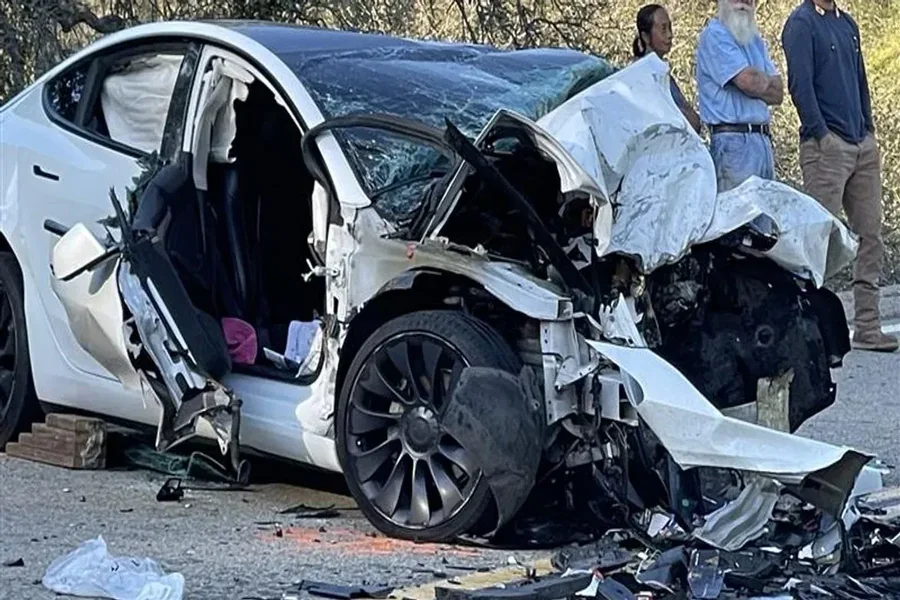
A crash on US-36 or the Diagonal can turn an ordinary Boulder-area commute into a stressful, fast-moving situation. Traffic may be heavy, weather and visibility can change quickly, and cyclists, pedestrians, buses, and vehicles may all be nearby. A practical approach is to address immediate safety first, then health needs, documentation, and follow-up tasks.
Whether the collision happened near an interchange, a busy intersection, or a neighborhood access point, taking organized steps can reduce confusion in the days ahead. Keeping a record of medical care, repair costs, and conversations with insurers can also help you stay organized throughout the process. By taking one step at a time and seeking qualified guidance when needed, you can make more informed decisions about your next steps.
Get to a Safer Place
Take Immediate Safety Steps
Turn on hazard lights and look carefully for approaching traffic before opening doors or exiting a vehicle. If the vehicle can be moved safely and doing so would reduce danger, move it away from active lanes and into a safer nearby location. Keep passengers, children, and pets away from traffic whenever possible.
Call 911 when someone may be seriously injured, traffic is blocked, a vehicle is leaking fluid or smoking, or the scene feels unsafe. Do not move someone who may have a serious neck or spinal injury unless remaining in place presents an immediate danger.
Check for Injuries and Seek Care
Check on every person involved, including drivers, passengers, pedestrians, and cyclists. Pain, dizziness, numbness, weakness, confusion, breathing problems, or worsening headaches deserve prompt medical attention. Stress and adrenaline can make symptoms less noticeable immediately after a crash.
Head injuries require particular attention because symptoms may not appear right away. The CDC notes that concussion symptoms can appear hours or days after an injury. Seek emergency care for repeated vomiting, seizures, slurred speech, increasing confusion, loss of consciousness, or a headache that worsens and does not go away.
A prompt evaluation can help a medical provider identify concerns and document when symptoms started. Follow the recommended care, attend follow-up appointments, and keep a brief daily note on pain levels, sleep, mobility, medications, and activities that have become difficult.
Report the Crash
Emergency responders can address urgent medical and roadway safety needs, and an officer may create a report based on the information available at the scene. A report can preserve details such as the date, location, people involved, vehicle information, weather conditions, and witness statements. It does not, by itself, resolve every question about responsibility.
If a report was prepared, ask the responding agency how to request a copy later. Keep the report number, the responding agency’s name, and any paperwork given to you at the scene in one place.
Document What Happened
Take Photos and Video When It Is Safe
Use a phone to capture wide views of the scene and closer images of vehicle damage. Photograph license plates, debris, skid marks, lane markings, traffic signals, signs, weather, lighting, and the road surface. On the Diagonal, bike lanes, crosswalks, bus stops, and nearby driveways may also help show the setting.
Save dashcam footage before it is overwritten. Write down the names and contact details of witnesses, and note nearby businesses or intersections that may have cameras. Preserve damaged clothing, helmets, child seats, bicycles, and personal property until they have been documented.
Exchange Basic Information
- Record the names and contact information for the drivers involved.
- Write down the driver’s license and vehicle registration information.
- Note the vehicle make, model, color, and license plate number.
- Ask for the insurance company and policy details.
- Record the registered owner information if the driver does not own the vehicle.
- Write down the names and phone numbers of any witnesses.
Keep conversations calm and brief. Do not argue, make assumptions, promise payment, or sign documents at the roadside without understanding them. It is also better not to say you are uninjured before you have had a real opportunity to assess how you feel.
Handle Insurance and Records Carefully
Notify the appropriate insurance company and provide the date, time, location, names of involved people, and report number if available. Ask for the claim number and ask practical questions about vehicle inspection, towing, storage, rental transportation, damaged personal property, and how to submit bills or repair documents.
Report what happened without speculating. Before agreeing to a final payment or signing a release, take time to understand the document and consider whether vehicle issues, medical symptoms, treatment needs, or other expenses are still developing. People who need help after a Boulder car crash can review local injury-claim information from Conduit Law.
Final Thoughts
After a crash on US-36 or the Diagonal, prioritize safety, obtain medical care when needed, preserve useful evidence, and keep organized records. A calm, methodical response cannot undo the collision, but it can help you make clearer decisions during an unsettled time.