
Reading Catalytic Converter Codes Before Estimating Value
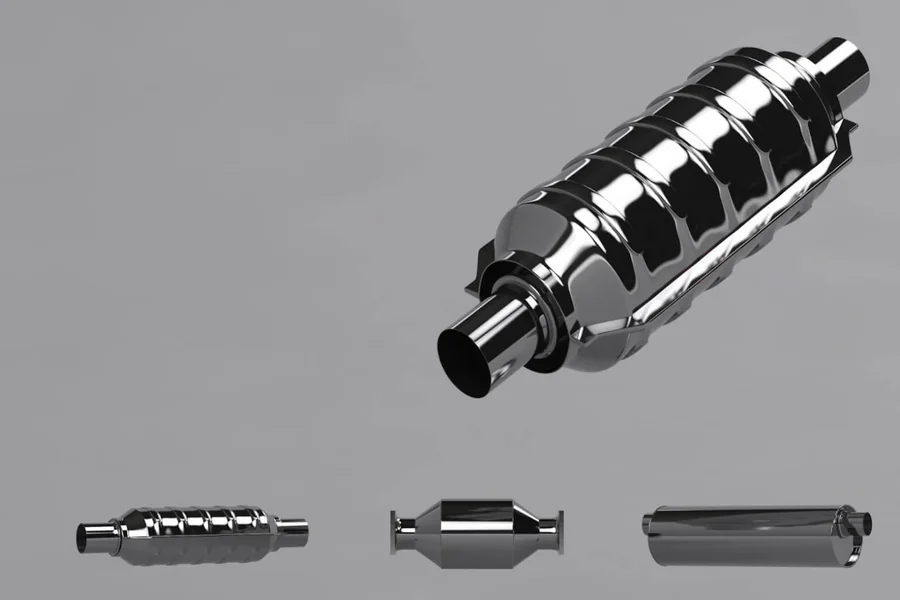
A used converter can look ordinary while containing metals worth recovering. But judging it by size or vehicle badge alone can lead to a poor estimate. The numbers stamped on its housing offer a more reliable starting point, provided they are read correctly.
Where to Find the Identification Code
Look for stamped or engraved markings on the metal shell, heat shield, or attached section. A converter may carry a manufacturer reference, production characters, and certification markings. Not every number identifies the precise assembly, so record the entire sequence and its position.
Someone consulting a catalytic converter price list should match the actual part code before comparing valuations. Photograph it in good light, along with the whole unit. If rust obscures a digit, note the uncertainty rather than substituting a likely character.
What Codes Reveal About Precious Metals
Part identification helps narrow down the converter’s design, but it does not disclose an exact quantity of recoverable metal. The internal substrate carries a coating containing platinum, palladium, and rhodium. These catalysts help process harmful exhaust gases, with rhodium particularly important for reducing nitrogen oxides.
Different engine specifications and emissions requirements call for different formulations. A compact unit can contain a substantial loading, while a larger housing may hold less. Recyclers may use reference databases to estimate likely content, then refine assessments through sampling and analysis when appropriate.
Why the Market Changes an Estimate
Even an accurately identified converter has no permanently fixed scrap value. Platinum group metal quotations respond to mining supply, industrial consumption, automotive demand, and emissions technology. Palladium and rhodium have historically shown considerable volatility, so a past valuation may no longer reflect present conditions.
The market quotation is not the amount a seller receives. Recycling involves collecting, processing, and refining the substrate, with costs and recovery losses along the way. Checking current metal rates helps explain changes, but does not replace a part-specific assessment.
Verify Type and Condition
Confirm the vehicle make, model, engine, and production year when available. An original equipment manufacturer (OEM) converter may differ sharply from an aftermarket replacement fitted to the same vehicle. Some similar-looking units also carry different codes because their internal specifications changed between production versions.
Inspect the housing and core without dismantling the unit. A missing substrate lowers the amount available for recovery; a dented shell alone does not establish what remains inside. Keep photographs and removal records, especially when documenting ownership or comparing offers.
A credible estimate combines readable identification, OEM or aftermarket status, internal condition, and current metal markets. Treat the code as evidence of the part’s identity, not a promise of what a recycler will pay.
Final Thoughts
Verifying the type and condition of a catalytic converter is an important step before estimating its value. Check the part number, manufacturer details, and overall condition to understand what you have. Look for visible damage, corrosion, or signs of wear. For a more accurate estimate, compare current market prices and consult a reputable catalytic converter buyer before making your final decision.