
Modern Conference Planning: Tech Trends Shaping the Future of California Conventions
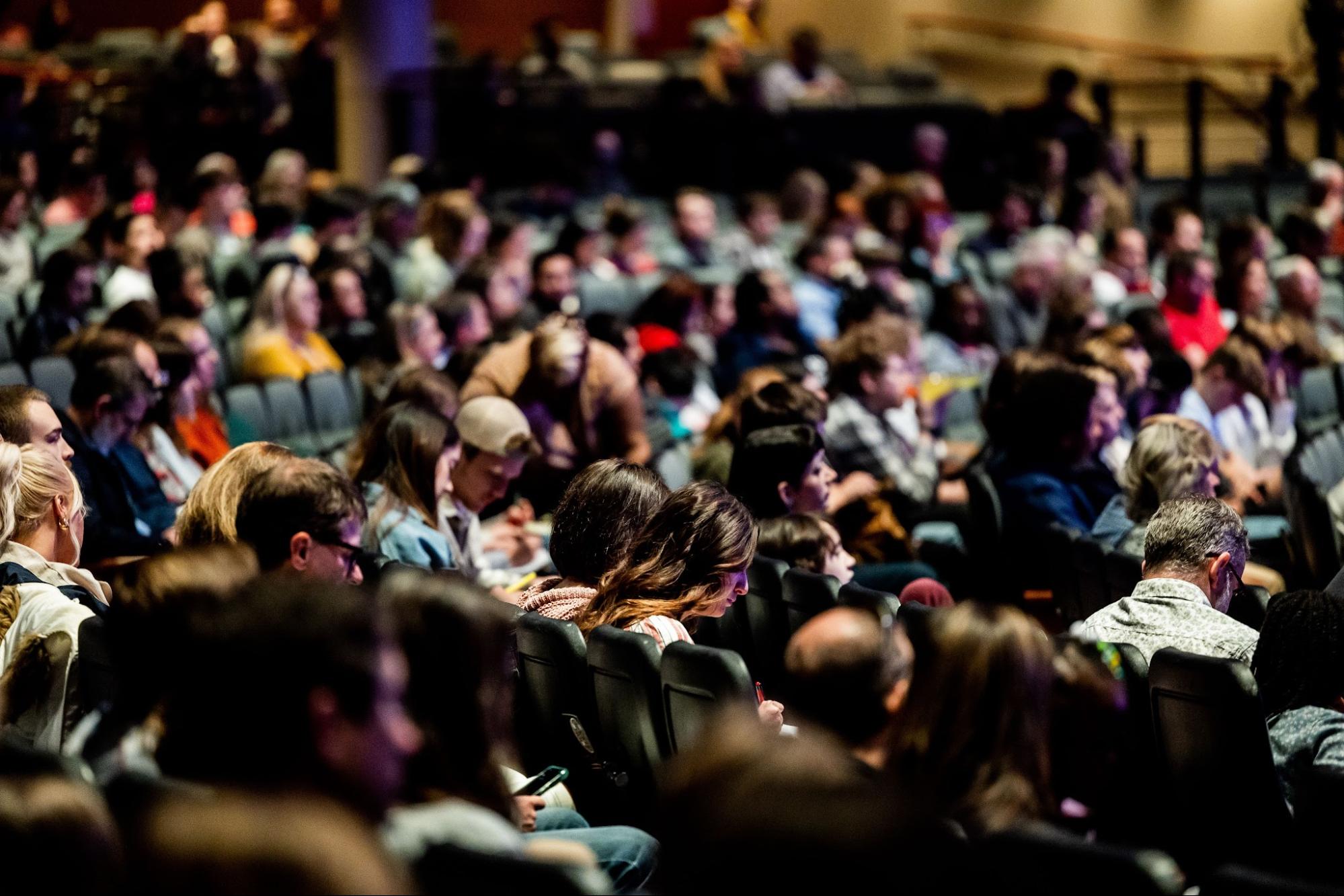
The landscape of corporate events across California is changing quickly as organizers embrace sophisticated technologies that support larger audiences and more complex experiences. From interactive digital environments to intelligent scheduling systems, modern conference planning increasingly focuses on creating seamless, engaging experiences rather than relying solely on traditional presentation formats.
Across the state, convention organizers are building events around connectivity, flexibility and real-time engagement. Attendees now expect more than rows of chairs and a stage.
They want personalized experiences, easy access to information and meaningful ways to interact both in person and online. Meeting those expectations requires careful integration of advanced production tools, venue technology and thoughtful event design.
Elevating Attendee Experiences Through Spatial Computing
Imagine arriving at a convention center and instantly accessing directions, session details and networking opportunities through your smartphone or smart glasses. What once sounded futuristic is becoming increasingly practical as spatial computing and augmented reality find their way into trade shows and professional events.
Rather than relying on printed maps or static signs, attendees can access digital overlays that guide them directly to relevant booths, meeting spaces or presentations. These tools can also help people identify professionals who share their interests, making networking feel more natural in busy exhibition halls.
The impact extends beyond navigation. Event organizers are also exploring ways to deliver location-based content that responds to attendees’ locations. Someone approaching a technology exhibit, for example, may receive interactive information tailored to that specific area of the venue.
To support these experiences, convention centers are investing in faster wireless networks and improved digital infrastructure capable of handling large volumes of data without disrupting the attendee experience.
Optimizing Venues with Advanced Production Technology
One of the biggest challenges in conference planning is transforming large convention halls into spaces that feel focused, professional and engaging. Achieving that requires far more than placing a stage at the front of the room.
When managing large-scale events in major convention destinations, working with a specialized audio visual company in Anaheim can help ensure that complex production elements operate smoothly.
These teams often oversee LED video walls, multi-camera live feeds, venue acoustics, microphone placement and content delivery across high-resolution displays.
For attendees, these technical details may go unnoticed when everything works correctly. Yet they often determine whether a presentation feels polished or frustrating. Most people have experienced sessions where microphones cut out, visuals are difficult to see or technical issues distract from the speaker’s message.
Modern production teams address these challenges through custom stage designs, concealed cabling systems and intelligent lighting setups that adapt to different presentation styles. The result is an environment that keeps attention on the content while maintaining a professional atmosphere throughout the event.
The Rise of Hybrid Presentation Models
The distinction between attending a conference in person and joining remotely has become increasingly blurred. Hybrid event formats now require organizers to deliver meaningful experiences to audiences, regardless of where they participate.
This shift has changed how stages are designed. Many now function more like broadcast studios than traditional lecture spaces. Automated cameras track speakers as they move across the stage, while production teams manage multiple video feeds for remote viewers.
Behind the scenes, powerful media systems combine camera angles, presentation slides and interactive features into a single viewing experience. Remote participants can submit questions, respond to live polls and engage with attendees inside the venue in real time.
These capabilities help create a stronger sense of participation, ensuring online audiences remain actively involved rather than simply watching from a distance.
Data Analytics Driving Real-Time Decisions
Waiting until after an event to gather feedback is becoming less common. Today’s organizers increasingly rely on live data to understand what is happening throughout a convention while it is still underway.
Several technologies help make this possible:
- Live heat mapping that tracks movement patterns and highlights congestion points.
- Smart badge scanning that reveals attendance levels and session popularity.
- Instant feedback tools that capture audience reactions during presentations.
- Analytics platforms that monitor engagement with event apps, maps and exhibitor information.
Access to this information allows organizers to respond quickly when challenges arise. If one session attracts unexpectedly large crowds, additional seating or alternative access routes can be arranged. If certain areas become overcrowded, adjustments can be made before attendee frustration develops.
This ability to make informed decisions in real time helps improve both operational efficiency and the overall attendee experience.
Hyper-Personalization Through Artificial Intelligence
Large conventions can sometimes feel overwhelming. With dozens of sessions, exhibitors and networking opportunities competing for attention, attendees often struggle to decide where to spend their time.
Artificial intelligence is increasingly being used to simplify that process. Registration data, professional interests and learning objectives can be analyzed to create personalized recommendations for workshops, keynote sessions and networking events.
The technology is also influencing professional matchmaking. Rather than relying entirely on chance encounters, some platforms help connect attendees with relevant suppliers, partners or industry peers. Automated scheduling tools can then arrange short meetings, making networking more targeted and efficient.
By reducing the guesswork, these systems help attendees focus on the opportunities most relevant to their goals.
Sustainable Practices Reshaping Exhibition Spaces
More attention is being paid to environmental aspects in modern conference planning and thus, more and more convention centers are shifting away from using paper and other disposable materials and focusing on digital options instead.
This change includes replacing printed schedules, temporary and disposable signs and large amounts of paper-based collateral with digital displays, mobile apps and reusable exhibition equipment. While the transition leads to better sustainability and conservation of natural resources, it also makes such events easier to manage.
Additionally, digital solutions can reduce transportation costs and the need to print a lot of paper, since it is much faster to modify digital documents than to change physical counterparts.
Furthermore, convention centers often install energy-saving and smart lighting systems as well as air-conditioning technology. Such centers are also installing modular booths that are not only reusable but also help save a considerable amount of materials during exhibitions.
At the same time, many exhibitors focus on sustainable exhibition design and using non-disposable materials at conventions. In turn, more and more event participants care about environmental conservation measures implemented by organizations.
Thus, such practices are becoming common not only for conferences but also for conventions across the state.
Frictionless Access and Stronger Security
Few things create a poor first impression faster than long registration queues. To address this issue, many venues are introducing facial-recognition check-in systems, contactless badges and streamlined registration processes that speed up attendee entry.
By completing profile information before arriving, participants can often move through registration in seconds rather than waiting in lengthy lines. This allows them to spend more time networking, attending sessions or exploring exhibition spaces.
At the same time, venue operators are enhancing security through centralized monitoring systems that track crowd movement, venue capacity and equipment locations. If congestion develops in a particular area, digital signage can be updated immediately to redirect traffic and maintain smoother movement throughout the facility.
These systems also support stronger privacy protections through encrypted data management and secure information handling practices. Together, they create an experience that feels both efficient and secure from arrival through to the closing session.
As technology continues to evolve, conference planning is becoming increasingly focused on personalization, connectivity and operational flexibility. The conventions of the future will likely look very different from those of the past, combining digital innovation with thoughtful event design to create more engaging experiences for everyone involved.