
What Homeowners Should Prioritize First During a Bathroom Renovation
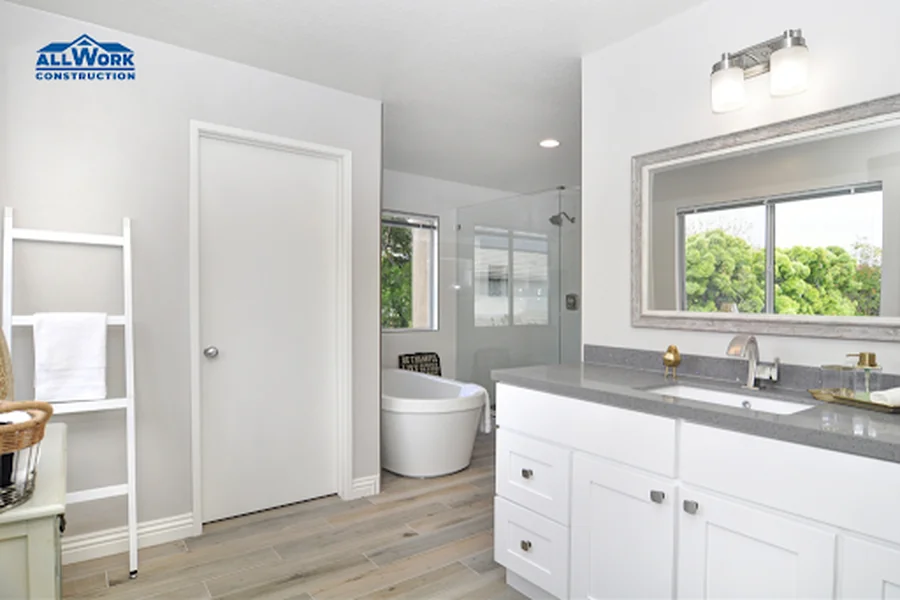
Most bathroom renovations begin with excitement.
Homeowners start collecting inspiration photos, comparing tile options, looking at vanity styles, and imagining how the finished space will look.
There’s nothing wrong with that.
The challenge is that appearance usually isn’t the most important place to start.
Many renovation decisions that determine whether a bathroom feels successful years later happen before finishes are ever selected.
In fact, some of the most expensive remodeling mistakes happen because homeowners focus on what the bathroom will look like before deciding how it should actually function.
That becomes especially important in older Massachusetts homes, where layouts, plumbing systems, and storage limitations often influence the success of the renovation far more than the tile color or hardware finish.
For anyone planning bathroom remodeling Georgetown, MA, understanding what deserves attention first can make the entire project smoother, more practical, and ultimately more valuable.
Start With How the Bathroom Is Actually Used
Before discussing materials, homeowners should take a closer look at daily routines.
Who uses the bathroom?
How often?
What feels frustrating right now?
Where does congestion happen?
What storage problems keep coming back?
These questions often reveal more useful information than design inspiration boards.
A renovation should solve everyday problems first. Once those priorities are clear, design decisions become much easier.
Fix the Layout Before Choosing Finishes
This is where many remodels go off track.
Homeowners spend weeks comparing tile styles while the bathroom’s biggest problem remains untouched.
The layout affects:
- movement
- comfort
- storage
- accessibility
- long-term functionality
A bathroom with beautiful finishes but a poor layout still feels inconvenient every day.
Meanwhile, a well-planned layout with simpler materials often feels significantly better to live with.
That’s why experienced contractors usually evaluate circulation and spacing before discussing cosmetic upgrades.
Moving from initial inspiration to the technical phase of a project requires a shift in focus toward logistics and local standards. While Pinterest boards offer a vision, the practical reality of plumbing and electrical work must align with regional building codes and climate-specific requirements. Homeowners often find that consulting with bathroom improvement services in Gainesville ensures these vital technical details are handled correctly before the first tile is ever laid. This approach prevents common pitfalls where beautiful designs clash with existing infrastructure. Balancing these structural necessities with your aesthetic goals early on creates a smoother workflow and guarantees that the finished space is as durable as it is visually appealing.
Storage Should Be a Priority, Not an Afterthought
Most bathrooms don’t feel small because of square footage alone.
They feel small because of clutter.
Countertops become crowded.
Cabinets overflow.
Shelves appear wherever space can be found.
Without a storage plan, even a newly renovated bathroom slowly starts feeling cramped again.
Strong remodeling plans address storage early through:
- vanity design
- recessed niches
- medicine cabinets
- vertical organization
- built-in shelving
Storage works best when it’s integrated into the layout instead of added afterward.
Think About the Shower Before the Tile
Homeowners often focus on shower finishes long before thinking about the shower itself.
But the size, placement, and accessibility of the shower influence the entire bathroom.
Questions worth asking include:
Will the shower feel comfortable five years from now?
Does it improve movement through the room?
Is it easy to clean?
Does it support future accessibility needs?
These considerations usually matter far longer than the specific tile pattern installed inside it.
Lighting Should Be Planned Early
Lighting is one of the most underrated parts of bathroom renovation.
Many homeowners treat it as a finishing detail.
In reality, lighting affects how the bathroom feels every single day.
Poor lighting creates:
- shadows around mirrors
- visual clutter
- darker corners
- a smaller appearance overall
Good lighting improves comfort, usability, and even how expensive the renovation feels.
The strongest remodels usually plan lighting alongside the layout, not after it.
Address Hidden Problems Before They Become Visible Ones
Older bathrooms often contain issues that aren’t obvious at first.
Behind walls and beneath floors, contractors frequently discover:
- aging plumbing
- moisture damage
- ventilation deficiencies
- outdated wiring
- structural inconsistencies
These aren’t the most exciting parts of a renovation.
But they often deserve priority over cosmetic upgrades.
Ignoring infrastructure problems simply means dealing with them later, often at a much higher cost.
This is especially true during bath remodeling Georgetown projects involving older New England homes.
Prioritize Ventilation More Than Most People Do
Homeowners rarely get excited about exhaust fans.
That doesn’t make them less important.
Bathrooms generate constant moisture.
Without proper ventilation, that moisture affects:
- paint
- grout
- drywall
- cabinetry
- overall air quality
A strong ventilation system helps protect the renovation itself.
It’s one of those upgrades homeowners rarely notice when it’s working properly but quickly notice when it isn’t.
Choose Durability Before Trendiness
Design trends change constantly.
Bathrooms are expected to last much longer.
When prioritizing materials, durability often deserves more attention than visual trends.
That doesn’t mean ignoring aesthetics.
It means selecting materials that continue performing well after years of daily use.
Some of the most successful renovations look just as good ten years later because the homeowners prioritized longevity instead of chasing temporary design movements.
Don’t Let Social Media Drive Every Decision
Online inspiration is useful.
But it can also create unrealistic expectations.
A bathroom featured online may have:
- a larger footprint
- different plumbing conditions
- different storage needs
- a completely different household routine
Trying to copy a design exactly often creates frustration.
The best renovations adapt ideas to the home rather than forcing the home to imitate the idea.
Establish a Realistic Budget Before Falling in Love With Features
This sounds obvious.
Yet it causes countless remodeling frustrations.
Homeowners often choose features first and calculate costs later.
The stronger approach is the opposite.
Start with a realistic budget.
Then prioritize the features that improve:
- comfort
- function
- long-term value
The result is usually a more balanced renovation with fewer difficult compromises later.
Consider Future Needs, Not Just Current Preferences
Bathrooms should support homeowners for years.
That’s why future usability matters.
Features such as:
- larger showers
- easier access
- better lighting
- improved storage
- safer flooring
It may not feel critical today.
They often become some of the most appreciated parts of the renovation later.
The strongest remodels solve today’s problems while quietly preparing for tomorrow’s needs.
Why Priorities Matter More Than Products
Homeowners often spend significant time comparing:
- faucets
- mirrors
- tile collections
- hardware finishes
Those choices matter.
But they rarely determine whether a renovation succeeds.
Success usually comes from prioritizing the fundamentals:
- layout
- storage
- lighting
- infrastructure
- ventilation
When those elements work together, almost every finish looks better.
What Experienced Remodelers Focus On First
Teams like All Work Construction often begin renovations by asking a different set of questions.
Not:
“What tile do you want?”
But:
“What isn’t working in this bathroom today?”
That shift changes the entire planning process.
Because once the problems are clearly identified, the solutions become much easier to build around.
The Best Renovations Feel Better Before They Look Better
An interesting thing happens in successful remodels.
The bathroom starts feeling better long before the final finishes are installed.
The layout improves.
The movement feels easier.
The storage makes sense.
The lighting works naturally.
By the time the tile and fixtures arrive, the foundation of the renovation is already successful.
Everything else simply enhances it.
Looking Beyond the Surface
When planning a bathroom renovation in Georgetown, it’s easy to get caught up in finishes and design trends.
But the projects that deliver the most satisfaction years later are usually built on stronger priorities.
Layout. Storage. Lighting. Infrastructure. Comfort.
Those decisions influence daily life far more than any individual material selection ever will.
And when those fundamentals are handled correctly, the finished bathroom doesn’t just look renovated.
It feels like it was designed around the people who actually use it.