
Media Stacking In Entertainment: What People Do While Watching Shows And Films
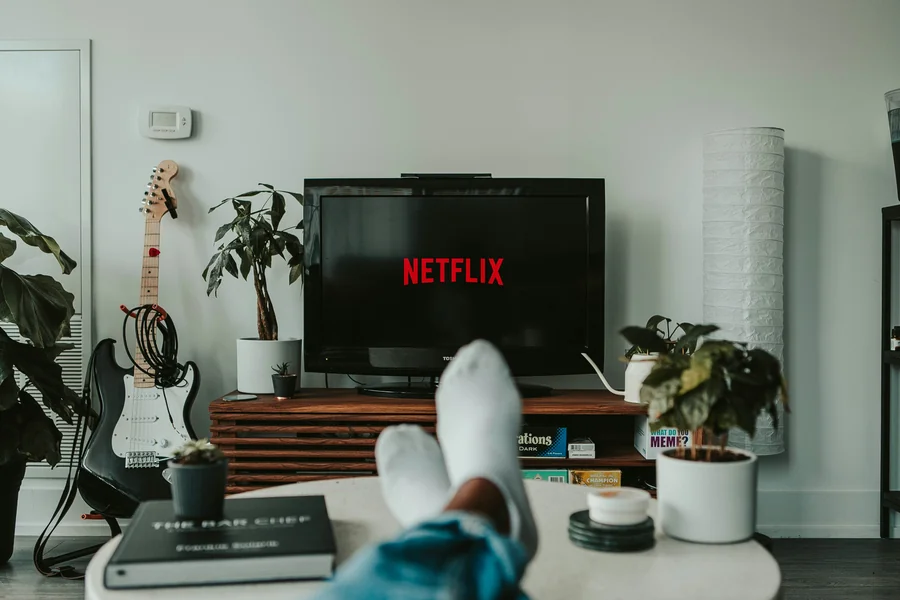
Watching television used to be a focused activity. A show came on at a certain time and the room went quiet. Everyone looked at the same screen. When the episode finished, the evening moved on.
That rhythm has changed. Entertainment now sits inside a larger digital environment. Streaming platforms allow shows to run whenever someone chooses. Phones sit nearby – we all know that it is easy to reach for a phone while watching a movie or something on television. It is now common for multiple forms of media to happen at once.
This behaviour has a name. Media stacking. It may also be called media meshing. This describes the habit of combining several activities while watching something. A film may play on the television while another activity happens on a second screen.
This often feels normal rather than distracting. The background story continues while small digital actions fill the quiet spaces between scenes. Some shows are even made in different ways to account for this.
Casino and Mobile Games While Watching Shows
One activity that often appears during media stacking is playing casino-style games. These games tend to fit well with television viewing because many rounds are short and structured.
Certain forms of poker also suit this style of entertainment. Faster formats that move through hands quickly allow players to stay engaged without needing long stretches of concentration. Each hand acts almost like a small chapter within the wider activity of watching a film or series.
There’s no need for people to wait around for play – they can fill their leisure time with games they enjoy. The concept of fast fold poker games has sprung up to provide a way for people not to even have to wait between games. When one hand is over or folded, the next starts right away.
The key factor is pacing. Games that resolve quickly work well alongside another form of entertainment. The two activities sit next to each other rather than competing constantly for attention.
Slot games can also be played in quick bursts. They have a quick and straightforward rhythm that makes it possible to glance back at the television without feeling lost in the game.
People may also check out things like meme pages and communities around their favourite games. Poker memes are popular and easily shareable for regular players.
Social Media And Live Reactions
Another common part of media stacking involves social media. People often scroll through comments or reactions online while they are watching television. A dramatic moment on screen may immediately spark discussion on platforms like X or Reddit. They can immediately chat about what’s happened in the show…
This creates a strange but interesting feedback loop. The show exists on television, but conversation about it unfolds at the same time in another digital space. People might be watching the latest mini-series and seeing what others say on social media.
Some viewers enjoy reading reactions during the show itself. Others wait until the episode ends before exploring discussions. The idea of watching something in isolation has become less common (even if you are physically alone).
Sports (particularly soccer) watchalongs have become huge because of the same concept. People can react together to the way that the game unfolds.
Messaging And Group Chats
Group chats often run quietly alongside films or series. Friends comment on plot twists while family members share jokes about characters. Someone may pause the show to send a quick reaction before pressing play again.
This style of watching works especially well with episodic series where each moment invites speculation about what might happen next. It has even brought some people back to a more live way of watching TV (not just streaming).
Browsing And Casual Scrolling
Not every form of media stacking connects directly to what is on screen. Sometimes the second activity is simply browsing. We all know what it is like to load up Reddit or Insta and just see what the algorithms have in store for us.
People may scroll through news headlines or check updates on favourite topics while a show runs in the background. The television becomes part of the atmosphere rather than the sole focus.
This behaviour reflects how entertainment habits have shifted. Content no longer demands complete attention every second.
Gaming And Puzzle Apps
Puzzle games and casual mobile games also appear a lot in media stacking habits. These games involve quick interactions rather than long sessions.
A short puzzle can be completed during quieter moments in a show. Once finished, attention returns naturally to the screen.
The same pattern appears with word games or short strategy games. They occupy small pockets of time without replacing the main entertainment.
Part of the reason media stacking works is that many shows now contain natural pauses. Dialogue scenes or background exposition allow viewers to look away briefly without losing track of the story. There are also commercial breaks to fill!
Streaming also changed expectations. With entire seasons available, it can be rewound or rewatched if you miss a detail anyway.
Media stacking reflects a broader shift in how entertainment fits into daily life. Watching something is rarely a single activity anymore. A study showed that only 12% of people never use a device while they are watching television.
Rather than replacing traditional viewing, media stacking adds layers to it. The story continues on screen, while smaller digital activities weave quietly around it.