
Electricians and Electrical System Upgrades That Keep Buildings Ready
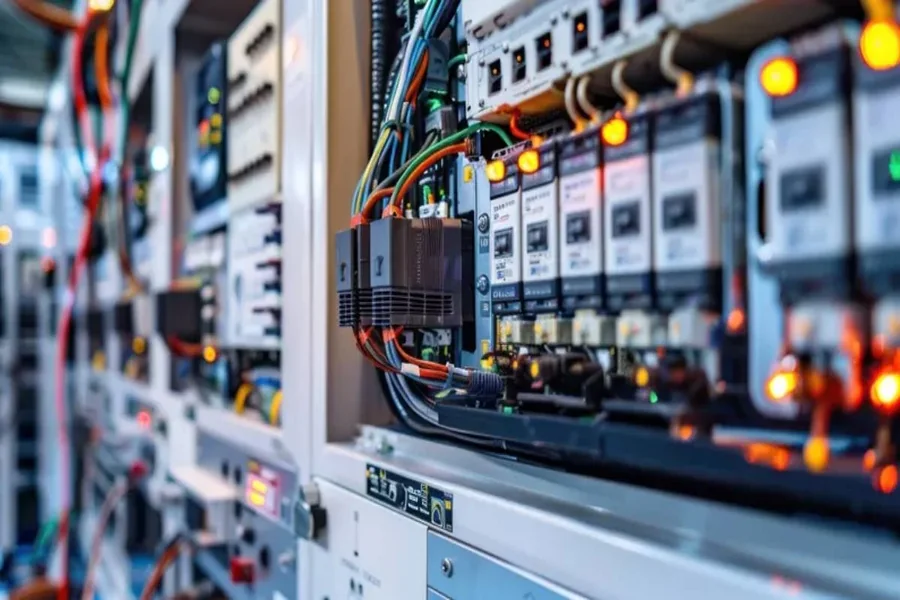
Electrical systems rarely fail all at once. More often, they fall behind quietly as buildings add new loads, new technology, and new expectations for comfort and reliability. A home that once powered a few appliances may now need to support EV charging, larger HVAC equipment, and a full home office setup. A commercial space may expand operations, add refrigeration, install new lighting controls, or increase the number of devices running all day. Electrical system upgrades address these changes by improving capacity, safety, and distribution to ensure power delivery matches actual use. Electricians guide this process by identifying constraints, correcting outdated components, and upgrading in ways that support both current demand and future growth.
Capacity, safety, and future-ready power
-
Recognizing the Signs an Upgrade Is Needed
Electrical upgrades often start with symptoms that feel minor until they become disruptive. Breakers that trip under normal use, lights that dim when equipment starts, outlets that run warm, or panels that have no remaining breaker space can all indicate a system nearing its limits. Electricians also look for older wiring methods, aging panels, and signs of corrosion or overheating that suggest safety concerns beyond simple capacity. In commercial spaces, upgrades may be triggered by new equipment, tenant improvements, or changes in how the building operates day to day. Even when the power seems adequate, an electrician may recommend upgrades if the system lacks modern protections or if distribution is unbalanced across circuits. These early signals matter because they often point to a system that is still functioning but operating with less margin for error, where a small additional load can cause repeated problems.
-
Planning Upgrades Around Real Load Demand
A successful upgrade begins with understanding how a building actually uses power, not just what the panel label says. Electricians evaluate connected loads, typical daily demand, and peak-use scenarios to determine whether the issue is overall service size, circuit distribution, or equipment-specific needs. This planning includes identifying which loads are continuous, intermittent, or have high starting currents that can strain circuits. In commercial settings, the planning phase often involves reviewing expansion goals, equipment schedules, and operational hours so the upgraded system supports business needs without frequent interruptions. For businesses searching for a commercial electrician in Frisco, TX, this load-focused approach helps ensure upgrades are sized and arranged based on actual usage rather than guesswork. When planning is done carefully, the upgraded system feels smoother, with fewer nuisance trips, steadier voltage delivery, and more room for future additions.
-
Panel and Service Upgrades: The Backbone of Reliability
Panel upgrades are among the most common electrical improvements because they address both capacity and organization. A panel may need to be replaced if it is outdated, damaged, overcrowded, or simply too small for modern circuit requirements. Electricians assess whether the service entrance, meter base, grounding system, and main disconnect are appropriate for the intended upgrade. Increasing service amperage can provide more headroom, but it must be matched with proper conductor sizing and code-compliant grounding and bonding. Even when service size remains the same, a new panel can improve reliability through cleaner breaker layout, proper labeling, and modern protective devices. Panel work also provides an opportunity to correct improvised additions made over time, such as double-tapped breakers or poorly routed conductors. A solid panel foundation makes every downstream circuit more stable and easier to manage.
-
Circuit Additions and Redistribution for Practical Use
Upgrades often involve adding circuits to reduce shared loading and improve safety. Kitchens, laundry rooms, workshops, and server areas can quickly overload shared circuits, especially when modern appliances draw more power than older ones. Electricians add dedicated circuits where needed, distribute loads across phases, and correct unbalanced wiring that can strain part of the system. In commercial properties, circuit upgrades may involve supporting new lighting layouts, dedicated circuits for equipment, or improved distribution for workstations and meeting rooms. This stage is not only about adding more breakers; it is about designing circuits so that power is delivered where it is needed without creating bottlenecks. Proper circuit planning reduces the risk of overheating, improves equipment performance, and makes troubleshooting easier in the future. A well-designed circuit layout feels intuitive because it aligns with the building’s actual activity patterns.
-
Safety Enhancements: Protection Beyond Capacity
Electrical system upgrades are often the right time to add modern safety features that older systems may lack. Electricians may recommend arc-fault protection where appropriate, ground-fault protection in moisture-prone areas, surge protection at the service entrance, and improved grounding and bonding for overall fault protection. These enhancements help reduce the risk of hidden wiring damage, moisture intrusion, and voltage spikes that can harm electronics and appliances. Safety upgrades also include replacing worn outlets, correcting loose terminations, and updating junction boxes that may have improper splices. In many buildings, the biggest hazards are not visible at the panel; they are hidden in connections that have loosened over time or circuits that were extended without proper protection. When safety upgrades are built into an overall system improvement, the building becomes more resilient and less vulnerable to silent electrical failures.
-
Preparing for EV Charging and Modern Building Tech
A major driver of electrical upgrades today is the addition of EV chargers and connected building systems. EV charging can create sustained demand that older panels were never designed to handle, especially when combined with electric water heating, HVAC, and home-office loads. Electricians plan charger installations with load considerations, ensuring circuits and panel capacity can support charging without causing daily disruptions. In commercial spaces, upgrades may also support access control systems, data networks, energy monitoring, and smart lighting controls that require clean power delivery and reliable circuit layout. These technologies can improve convenience and operational efficiency, but only when the electrical system is prepared to carry the added demand. Upgrading with future tech in mind helps avoid repeated service calls and keeps the building adaptable as electrical needs continue to grow.
-
A Simple Way to Think About Upgrades
An upgrade is not only about adding more power; it is about creating a cleaner, safer path for electricity to travel through the building. When panels are modern, circuits are properly distributed, and protective devices are in place, everyday use feels smoother and more predictable. This reduces stress on equipment, lowers the chance of overheating at hidden connections, and makes the system easier to expand later. A well-planned upgrade gives the building margin, so normal growth does not immediately push it back to its limits.
Upgrades That Support Growth and Safety
Electrical system upgrades help buildings keep pace with modern life by improving capacity, safety, and distribution in a coordinated way. Electricians guide this process by evaluating actual load demand, upgrading panels and service components as needed, adding or redistributing circuits, and incorporating modern protection features to reduce hidden risks. Whether the goal is smoother daily operation, support for new equipment, or preparation for future technology, upgrades create a more dependable electrical foundation. When upgrades are planned thoughtfully, the result is not just more power, but a system that handles demand calmly, protects people and property, and remains flexible as needs continue to change over time.