
What to Expect in Your First Piano Lesson?
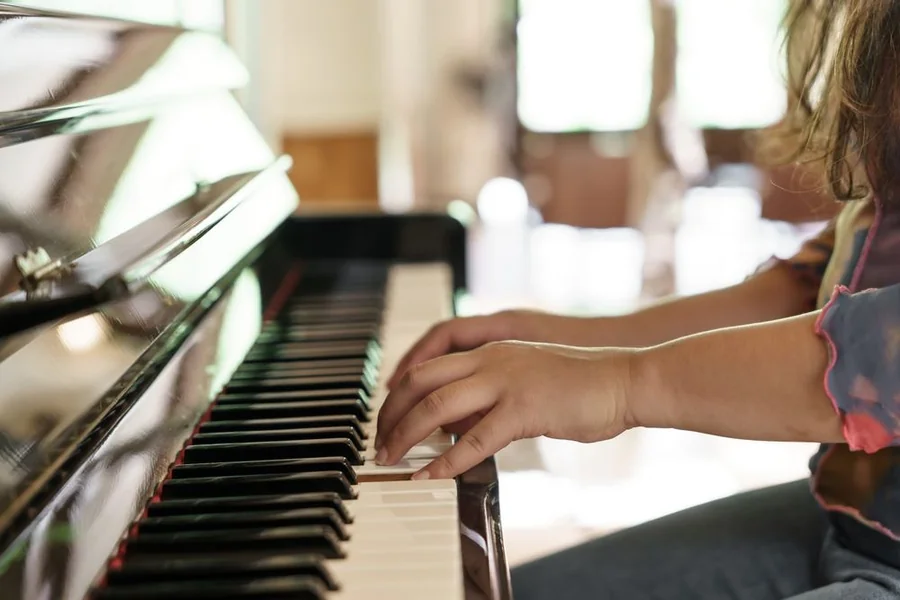
Starting piano lessons can feel exciting and uncertain at the same time, especially if you are new to music instruction. Your first lesson is designed to foster comfort, establish clear expectations, and introduce the foundational principles of piano study. Rather than focusing on speed or performance, the session emphasizes familiarity with the instrument and basic musical ideas. Many beginners worry about making mistakes, but early lessons are grounded in guidance and patience. You will not be expected to read complex music or play full songs immediately. Instead, the lesson sets the tone for subsequent progress by helping you understand posture, hand position, and sound production. This early experience helps reduce anxiety and builds confidence, allowing you to enjoy learning at a steady pace that matches your comfort level.
What the Lesson Will Cover
-
Getting Comfortable With the Piano Setup
The first piano lesson often begins with orientation rather than playing full melodies. Your instructor may ask a few questions about your musical background, learning goals, and the reasons you began studying music. This conversation helps tailor instruction to your interests and comfort level. You will then be introduced to the piano, learning how the keys are arranged, how the pedals function, and how to sit properly at the bench. Posture matters early because it affects comfort, control, and long-term progress. You may also explore how to relax your shoulders and arms so tension does not interfere with movement. Even before playing notes, this setup phase helps establish habits that support smoother learning later. Understanding the physical relationship between your body and the instrument builds awareness that will make practicing feel more natural over time.
-
Learning Basic Musical Concepts Gently
After orientation, the lesson typically moves into simple musical ideas. This may include identifying middle C, recognizing patterns of black and white keys, and learning basic finger numbers. These concepts help you feel oriented rather than overwhelmed. You might play single notes or short patterns with one hand, emphasizing touch and sound quality rather than speed. The instructor may explain rhythm using counting or clapping, keeping things approachable. This stage is where learning feels structured but relaxed. Many teachers also discuss how practice works and what constitutes realistic progress. If you are curious about ongoing instruction options, a teacher may briefly mention ways to continue learning and encourage you to check our piano lesson services for scheduling and support resources. This information is shared without pressure, keeping the focus on your comfort.
-
Understanding Sound and Touch
In this part of the lesson, attention is placed on listening carefully to each note. You may experiment with how gently or firmly you press a key and notice how the tone changes. This awareness builds control early.
-
Introducing Simple Practice Expectations
Toward the end of the lesson, instructors often discuss how practice fits into daily routines. This conversation focuses on quality rather than length, helping beginners avoid frustration. You may be shown a short exercise that reinforces finger placement or note recognition. The goal is to give you something achievable to work on before the next lesson. Practice guidance often includes recommendations on when to stop, how to remain relaxed, and how to avoid repeating errors. This helps build a positive relationship with the instrument rather than relying on pressure. Clear expectations reduce uncertainty and help beginners feel supported rather than judged. Many first-time students find this discussion reassuring because it replaces guesswork with structure.
-
Building Confidence Through Small Successes
A first lesson is designed to end on a positive note, often by reviewing what you accomplished during the session. Even small achievements, like identifying notes or playing a simple pattern, are acknowledged. This reinforcement helps you associate learning with progress rather than comparison. Instructors often encourage questions and normalize mistakes as part of learning. Confidence grows when you understand that skill develops through repetition and patience. By the end of the lesson, most students feel more relaxed than when they arrived, realizing that piano study is approachable and flexible. This sense of ease motivates continued learning and makes returning for the next lesson feel inviting rather than intimidating.
Setting the Tone for Ongoing Learning
Your first piano lesson is less about performance and more about building a foundation that supports long-term growth. It introduces you to the instrument, basic musical ideas, and healthy learning habits without pressure. By focusing on comfort, listening, and achievable goals, the lesson helps replace uncertainty with clarity. Understanding what to expect allows you to approach future sessions with confidence and curiosity. Over time, these early experiences shape how you relate to music and practice. When learning begins with patience and encouragement, progress feels sustainable and enjoyable, setting the stage for meaningful musical development.