
How do Proper Roof Drainage Systems Protect Long-Term Building Integrity?
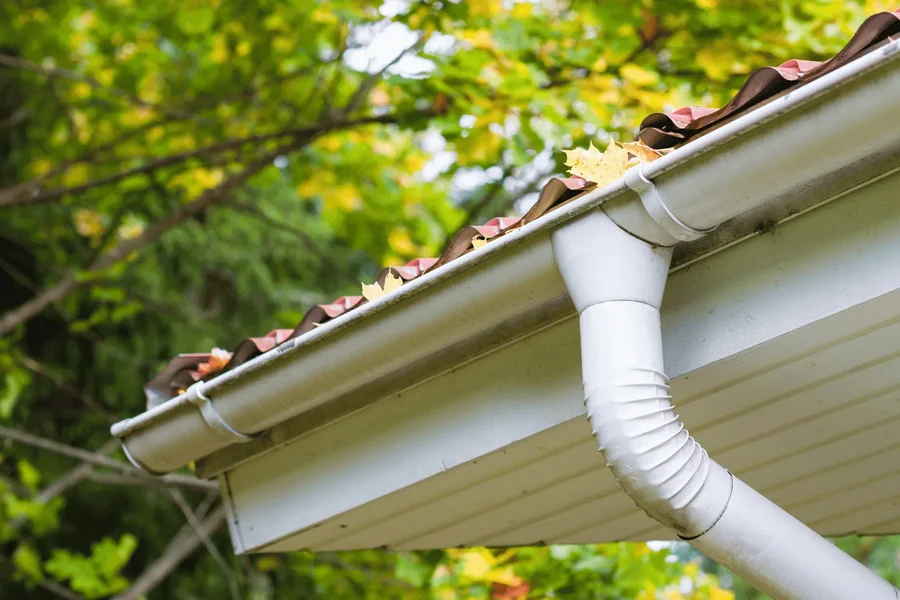
Roof drainage systems play a critical role in protecting buildings from water-related damage that often develops quietly over time. While roofs are designed to shed water, they rely heavily on drainage components to safely channel rain and meltwater away from the structure. When water is not properly directed, it can collect, seep, or overflow into areas not designed to withstand prolonged moisture. Understanding the benefits of proper roof drainage systems helps clarify why they are essential not only for roofs themselves but also for walls, foundations, and interior spaces. Thoughtful drainage design supports durability, comfort, and long-term structural stability.
Why roof drainage matters
- Preventing Water Accumulation and Surface Stress
One of the primary benefits of proper roof drainage is preventing water accumulation on roofing surfaces. Standing water adds unnecessary weight and creates constant moisture exposure, which can accelerate material wear. Over time, this stress may lead to surface deterioration, membrane fatigue, or seam and joint separation. Roof drainage systems, such as gutters, downspouts, and internal drains, are designed to efficiently convey water before it becomes a burden. In regions where heavy rainfall is common, professionals familiar with Duluth roofing often emphasize drainage planning as a core part of roof longevity. By minimizing surface stress, proper drainage helps roofs maintain their intended performance without premature aging.
- Protecting Structural Components Beneath the Roof
Water that is not managed at the roof level often seeps into deeper structural layers. Roof decking, insulation, and framing components are particularly vulnerable to prolonged moisture exposure. Proper drainage reduces the risk that water will migrate beneath the roofing surface, where it can remain hidden and cause gradual damage. When drainage systems function correctly, they create a clear path for water to exit the roof area before infiltration occurs. This protection helps preserve the strength and stability of supporting structures, reducing the risk of costly repairs caused by hidden moisture weakening essential components.
- A Short Perspective on Drainage Balance
Effective roof drainage depends on balance rather than speed alone. Water must move efficiently without overwhelming gutters or outlets. Balanced drainage ensures steady, controlled flow during both light rain and heavy storms. When systems are designed with balance in mind, they respond consistently to changing conditions. This stability supports reliable performance and reduces the likelihood of overflow or backup during peak rainfall events.
- Reducing Exterior Wall and Foundation Exposure
Roof drainage systems also protect exterior walls and foundations by directing water away from the building envelope. Without proper drainage, runoff can cascade down walls, increasing moisture exposure and staining surfaces over time. Persistent runoff may penetrate small openings or compromise exterior finishes. At ground level, poorly directed water can pool near foundations, increasing the risk of seepage or soil erosion. Properly placed downspouts and drainage paths move water safely away from the structure, reducing pressure on walls and foundations. This redirection supports overall building integrity and helps maintain a dry, stable environment around the structure.
- Managing Seasonal Weather Challenges
Seasonal weather changes introduce additional challenges that proper roof drainage helps manage. During colder months, meltwater from snow and ice must be routed away from roofs to prevent refreezing at vulnerable points. In warmer seasons, sudden storms can overwhelm poorly designed systems. Drainage components sized and positioned correctly accommodate these fluctuations. By adapting to seasonal conditions, roof drainage systems reduce stress from temperature-related expansion and contraction and moisture cycles. This adaptability provides consistent protection year-round rather than only during moderate weather.
- Supporting Interior Comfort and Air Quality
Roof drainage systems indirectly influence interior comfort by reducing moisture-related issues inside the building. When water intrusion is minimized, insulation remains dry and effective, helping maintain stable indoor temperatures. Dry structural components are less likely to contribute to humidity imbalances that affect air quality. Proper drainage helps prevent conditions that encourage mold growth or musty odors. By keeping moisture outside where it belongs, drainage systems support a healthier indoor environment and reduce the strain on heating and cooling systems caused by damp materials.
- Extending the Lifespan of Roofing Materials
Roofing materials perform best when they are allowed to dry between weather events. Proper drainage facilitates this drying process by efficiently draining water after rainfall. Materials that remain wet for extended periods are more prone to breakdown, discoloration, and loss of protective properties. Over time, this can shorten the roof’s service life. Effective drainage allows roofing surfaces to recover quickly, preserving their protective function. Extending material lifespan reduces the frequency of major roofing work and supports long-term cost management.
- Reducing Maintenance and Unexpected Repairs
When roof drainage systems function properly, maintenance demands tend to be more predictable. Water-related damage often necessitates urgent repairs that could have been avoided with better drainage. By preventing overflow, pooling, and infiltration, drainage systems reduce the likelihood of emergency interventions. Routine inspection and cleaning are usually sufficient to keep systems operating as intended. This predictability helps property owners plan maintenance rather than react to damage. Proper drainage supports a more controlled, manageable approach to roof maintenance.
- Adapting Drainage Design to Building Type
Different building designs require tailored drainage solutions. Flat roofs, sloped roofs, and complex architectural features each influence how water moves across surfaces. Proper roof drainage systems are designed to match these characteristics, ensuring that water is collected and directed effectively regardless of roof shape. Customizing drainage design helps address potential problem areas before they become active issues. This adaptability ensures that drainage supports the unique needs of each structure rather than relying on generic solutions.
Proper roof drainage systems offer far-reaching benefits that extend well beyond simply moving water off a roof. By preventing accumulation, protecting structural components, and reducing moisture exposure throughout the building, drainage systems support long-term integrity and comfort. They help roofs perform as intended across changing seasons while preserving materials and minimizing maintenance demands. Understanding the importance of roof drainage highlights why it should be considered a foundational element of building protection. When drainage systems are thoughtfully designed and maintained, they provide quiet but essential support that safeguards structures year after year.